This marks the final chapter of our Munich journey.
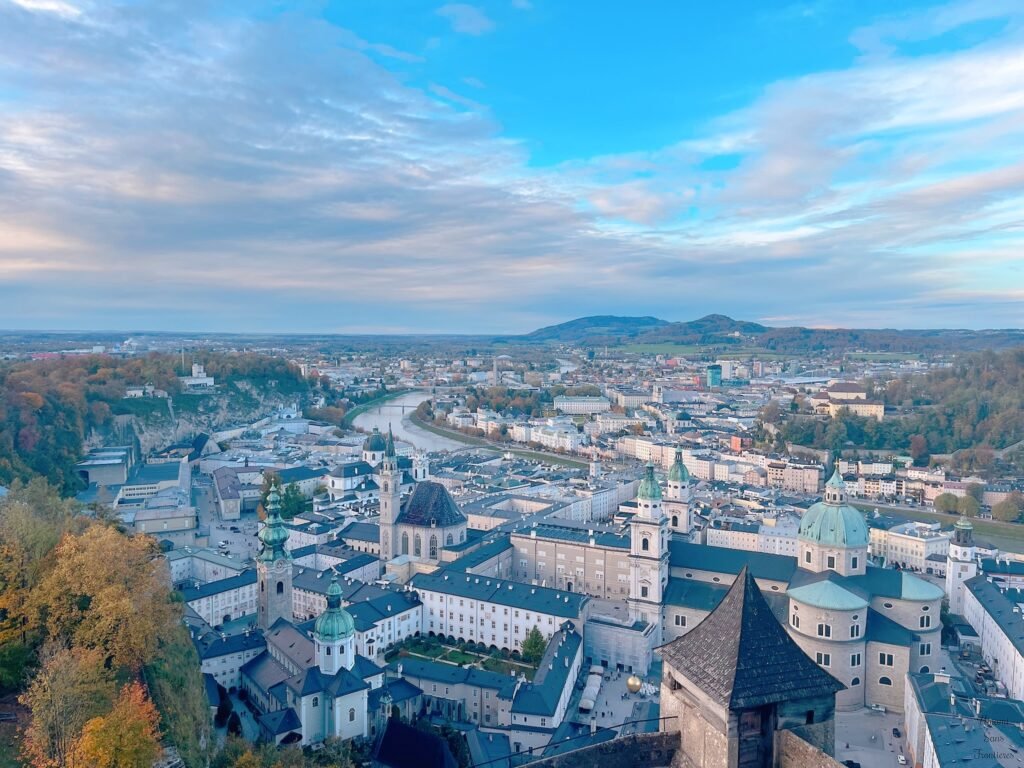
Crossing the border, we made our way to Salzburg, Austria.🇦🇹
The train ride from Munich to Salzburg takes about two hours. Many people seem to make this trip quite casually, and the train was filled with a mix of travelers—some returning from shopping, others, like us, clearly visitors. Although Salzburg is in a different country, the distance feels surprisingly close, a bit like traveling from Paris to Brussels by train.
Once we arrived, the atmosphere immediately felt different. The city was calm, with a sense that time flowed a little more slowly. That quiet, unhurried rhythm left a strong impression on us.
Mozart’s Birthplace
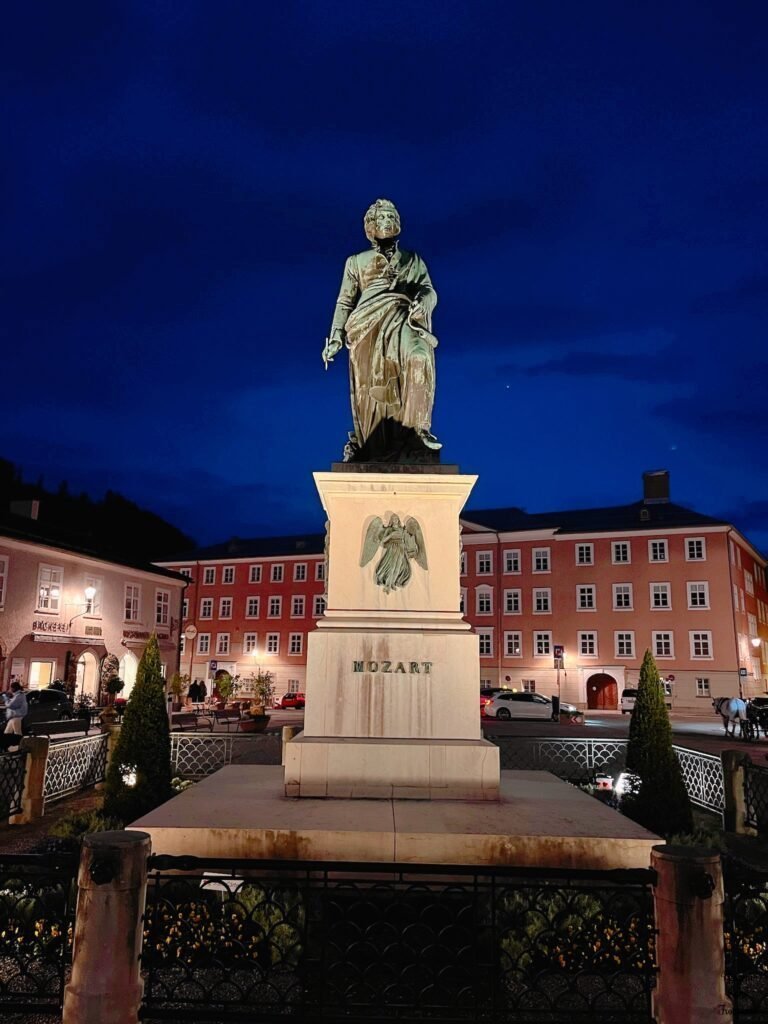
Our first stop in Salzburg was Mozart’s birthplace.
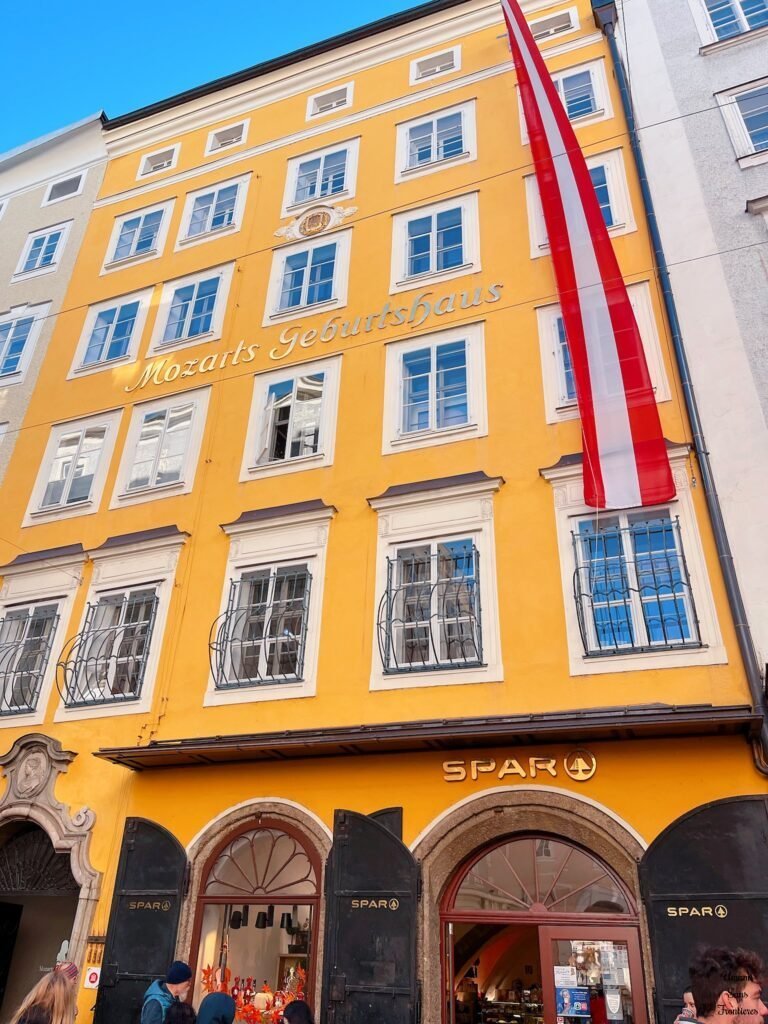
My husband is a longtime fan of Mozart. About ten years ago, we traveled together to Vienna, where we visited places connected to his life and enjoyed classical concerts. At that time, however, we didn’t make it as far as Salzburg.
This time, we finally did—and my husband seemed very satisfied 😊
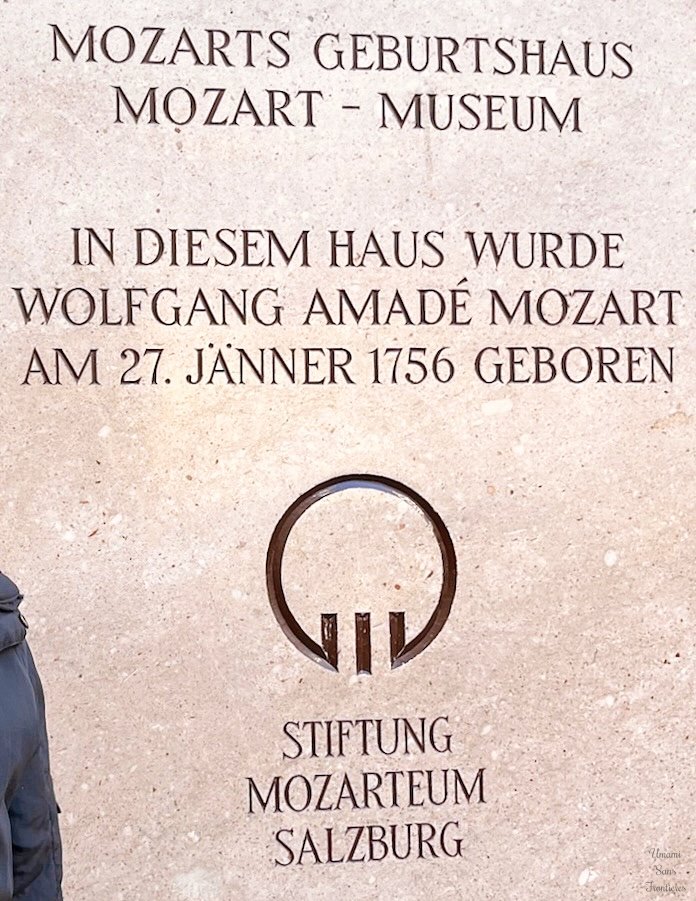
Mozart’s birthplace is a modest apartment located along a street in the Old Town and is now open to the public as a museum. It was here that Mozart spent his childhood, learning the foundations of music under the guidance of his father, Leopold.
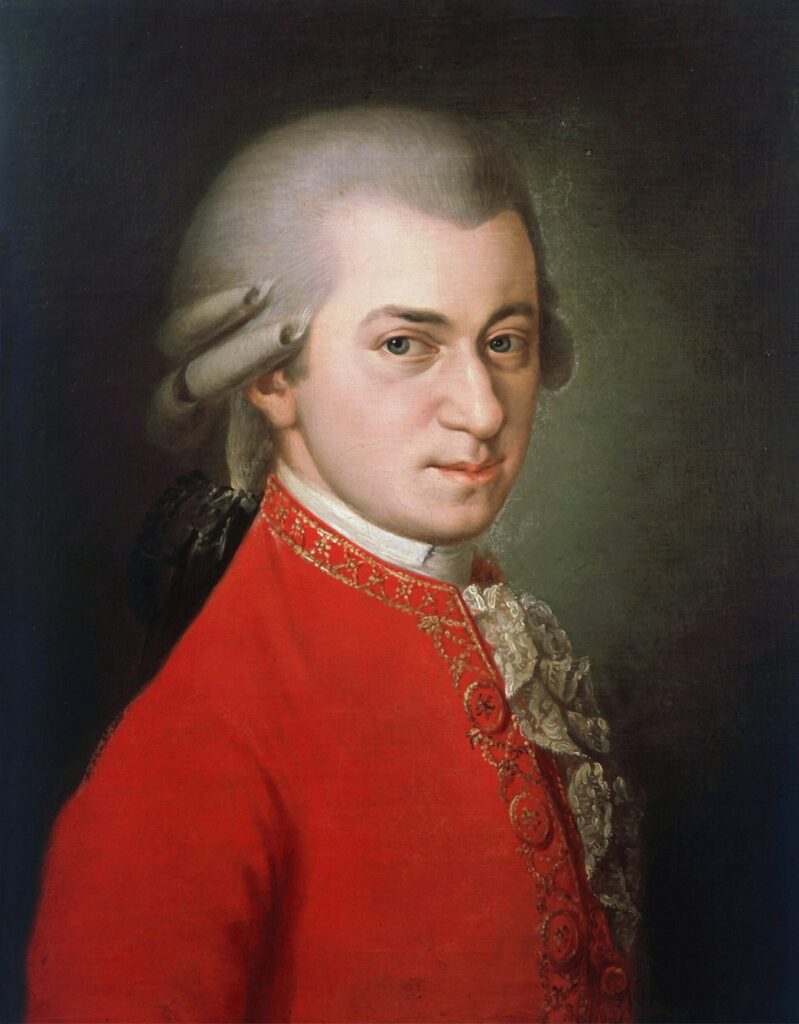
As I moved through the rooms and looked at the exhibits, I felt less confronted by stories of genius than I had expected. Instead, what came through was a sense of everyday life—a family living together, with music naturally woven into their daily routine.
What stayed with me most were the stories of two women in Mozart’s life.
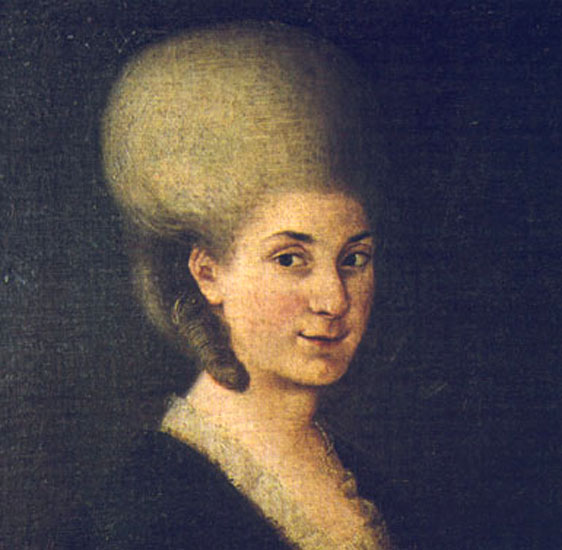
The first was his sister, Maria Anna, known as Nannerl. While Mozart himself has been written about endlessly, I realized how little I had known about her. In fact, she was also exceptionally talented as a pianist. Yet her name never became as widely known as her brother’s.
At that time, opportunities for women to pursue music professionally were extremely limited. I found myself wondering whether, had she lived in a different era, she might have stood alongside Mozart as a celebrated musician. Thinking about this, I felt quietly drawn to her story.
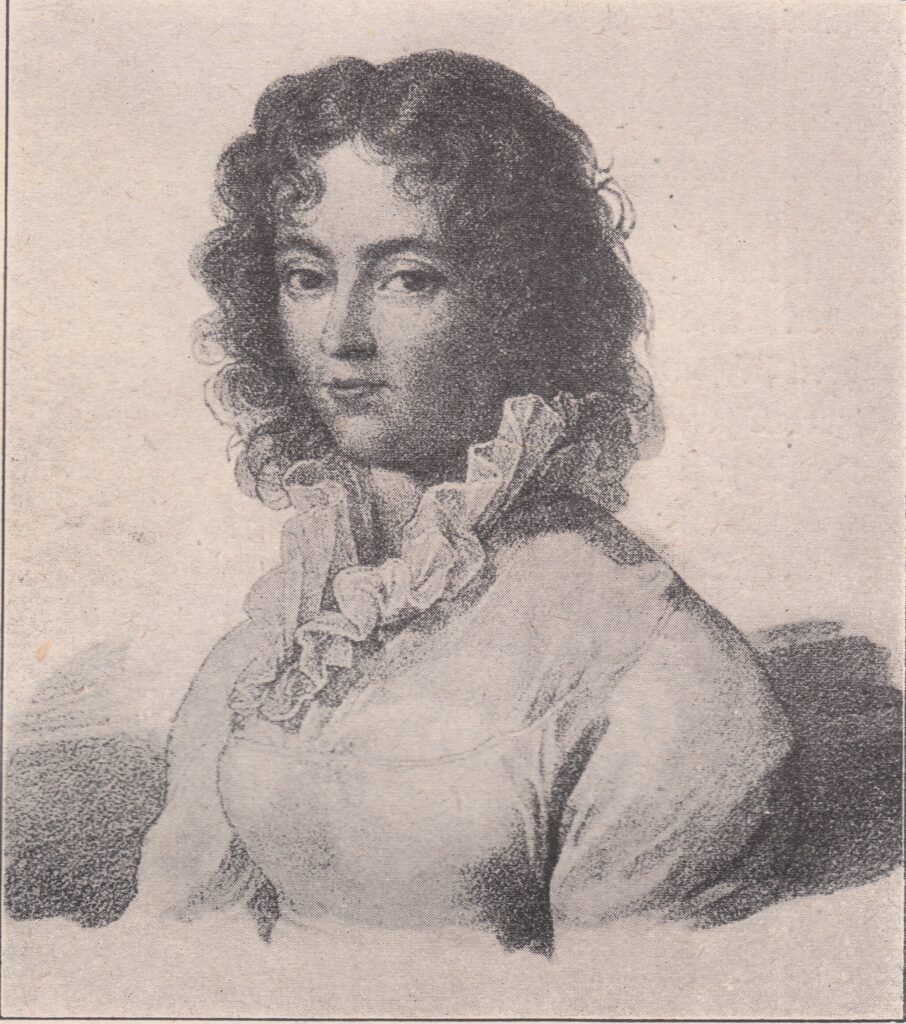
The other woman who left an impression on me was Mozart’s wife, Constanze. According to the exhibition, after Mozart’s death she remarried, yet continued to organize his works and letters, helping to ensure that his music would be preserved and passed on to future generations.
Realizing this made me think that Mozart’s lasting legacy is not only the result of his extraordinary talent, but also of the care and support of those around him.
Salzburg Cathedral
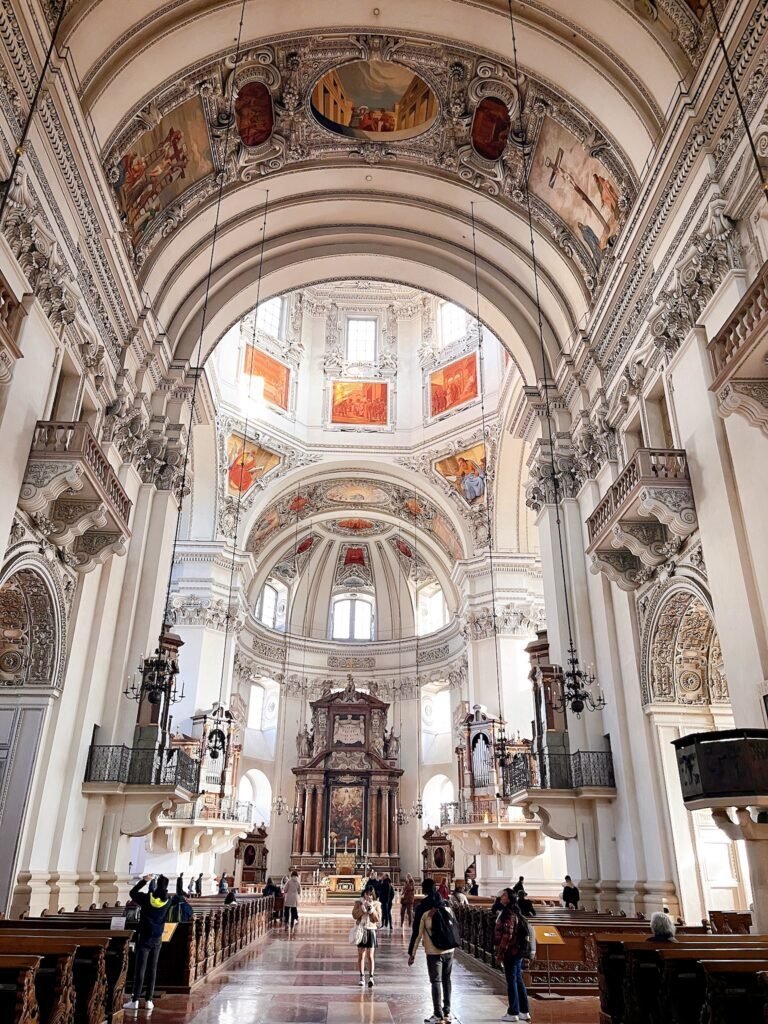
After visiting Mozart’s birthplace, we walked through the Old Town toward Salzburg Cathedral, located at the very heart of the city.
Built in the Baroque style, the cathedral is one of Salzburg’s most iconic landmarks. It is also known as the place where Mozart was baptized. Stepping inside, I was struck by the height of the ceilings and the depth of the space, which made human presence feel almost small.
Standing there, I was reminded once again of how deeply music has been rooted in everyday life in this city.
A Fortress Larger Than Expected
From the cathedral, we made our way up to Hohensalzburg Fortress, overlooking the Old Town.
Construction of the fortress began around 1077, in the late 11th century. At the time, Salzburg was an important religious and economic center, governed by powerful prince-archbishops. The fortress was built to protect the city and its authority amid ongoing tensions and conflicts with surrounding powers.
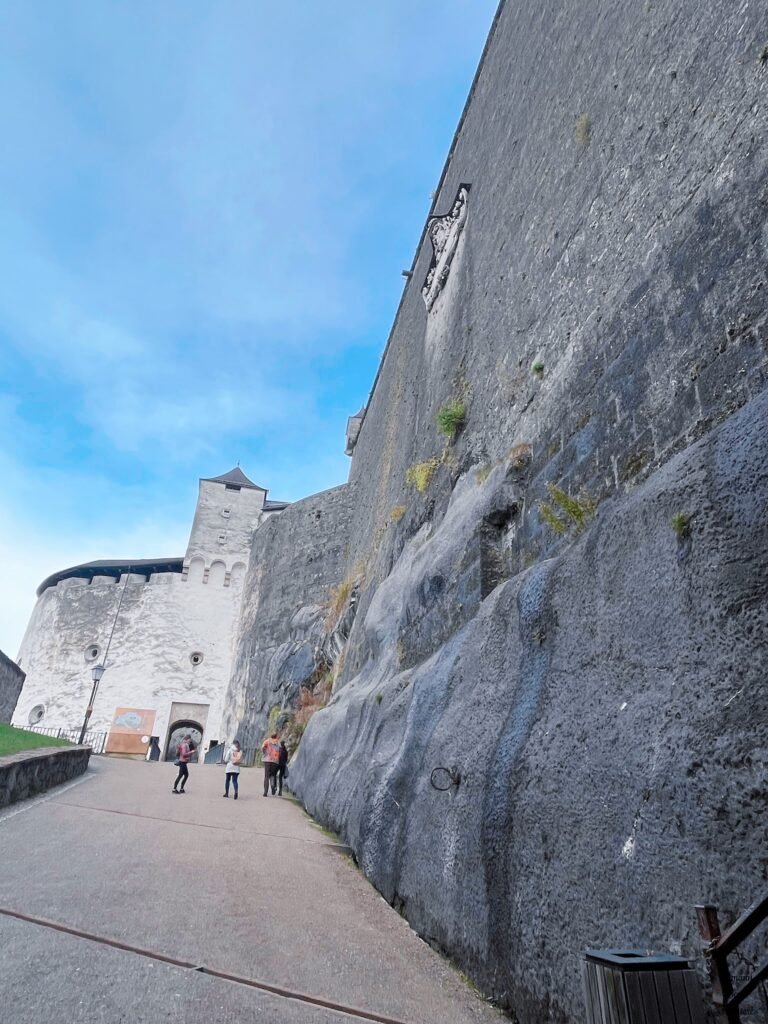
As we made our way up, it became clear that the fortress was far larger—and higher—than I had imagined. We walked extensively within its walls, moving from one area to another.
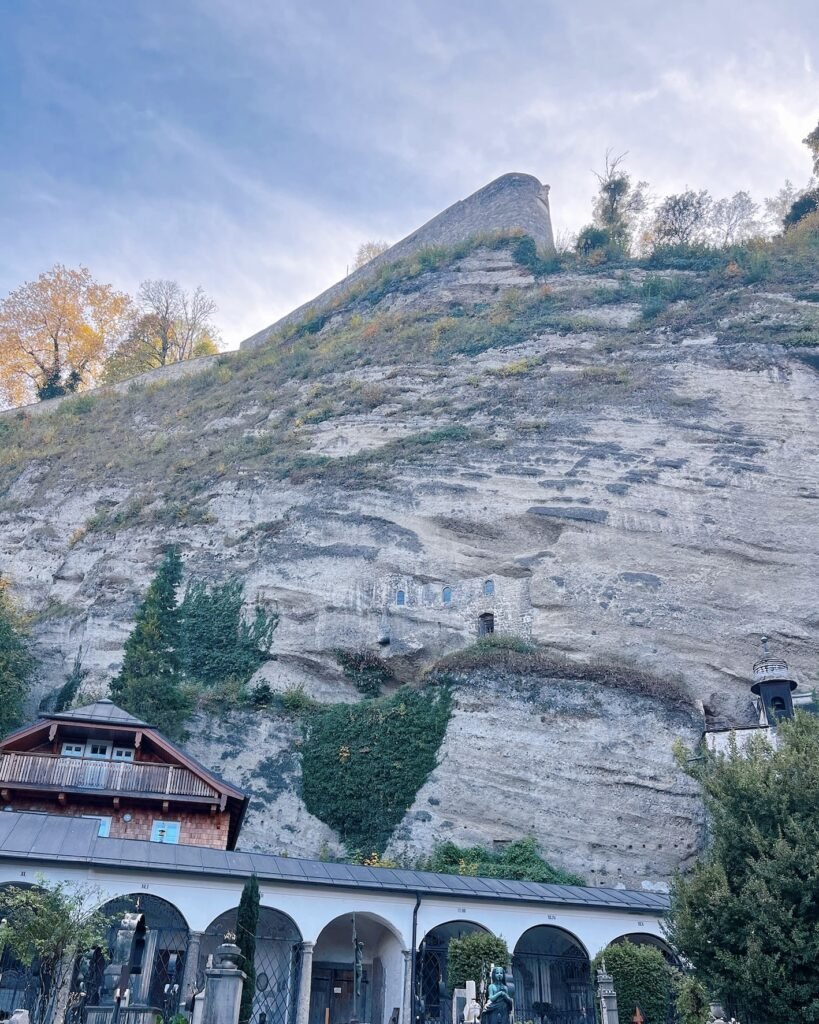
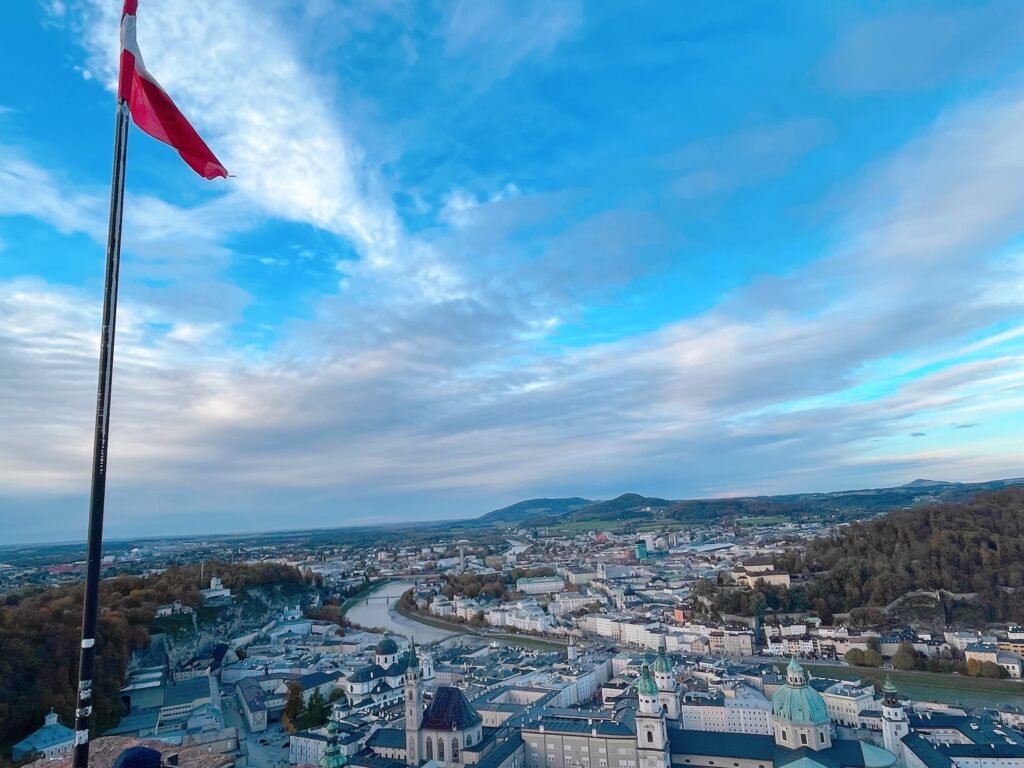
The effort was well rewarded. From the top, we could look out over the entire city of Salzburg, from the Old Town to the surrounding landscape. Seeing the city spread out below made it easy to understand why this location had been so strategically important.
Dinner and Bread the Next Morning
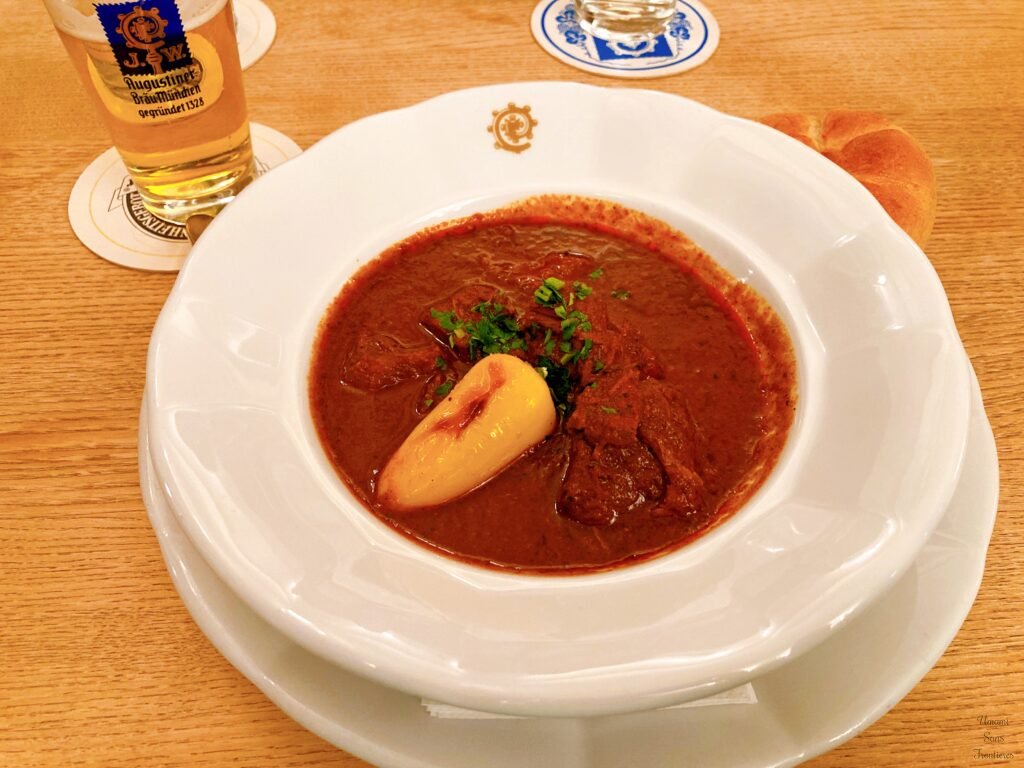
After a long day of walking, we ended the evening at a beer hall, where we ordered goulash and beer.
Goulash is a dish commonly enjoyed across Eastern Europe, but it’s also widely eaten in Austria. The tender meat and rich sauce gently soothed our tired bodies after a full day on our feet.
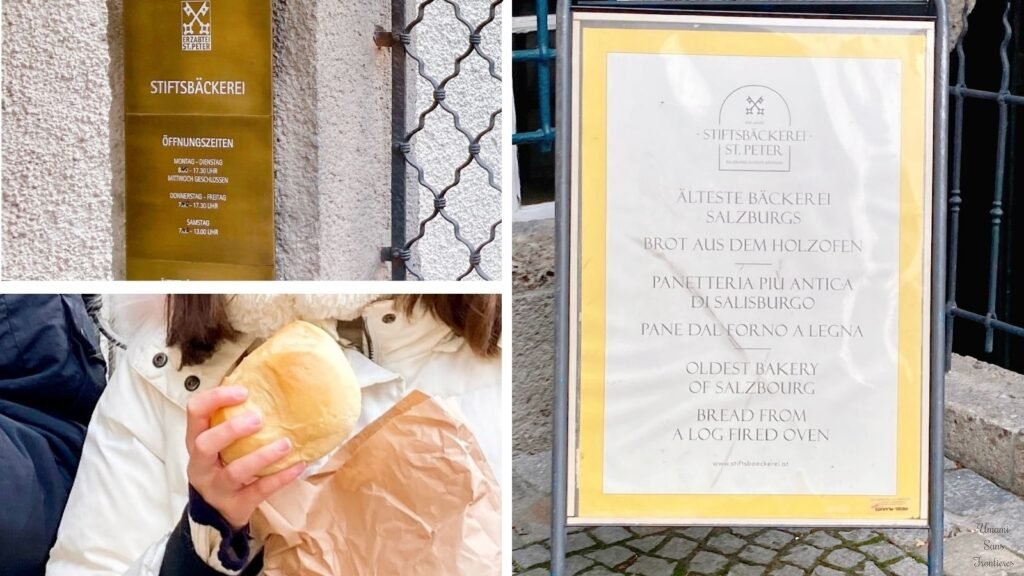
The next morning, while strolling through the Old Town, we came across a bakery with a long line. It turned out to be Stiftsbäckerei St. Peter, the oldest bakery in Salzburg, attached to a monastery and dating back to the 12th century.
We arrived just before everything sold out and managed to buy some freshly baked bread. Soft and simple in flavor, it was incredibly delicious. Being able to enjoy it straight from the oven made the experience even more special.
At the End of the Journey
With that, our one-night stay in Salzburg came to an end. We took the train back to Munich and then transferred to another train, returning home to Berlin the same day.
One of the pleasures of traveling in Europe is the ease of crossing borders by train—and still being able to return home within a single day. Munich and Salzburg are both cities rich in history and food culture. I hope that next time, I’ll be able to discover a different side of them.
A Small Extra
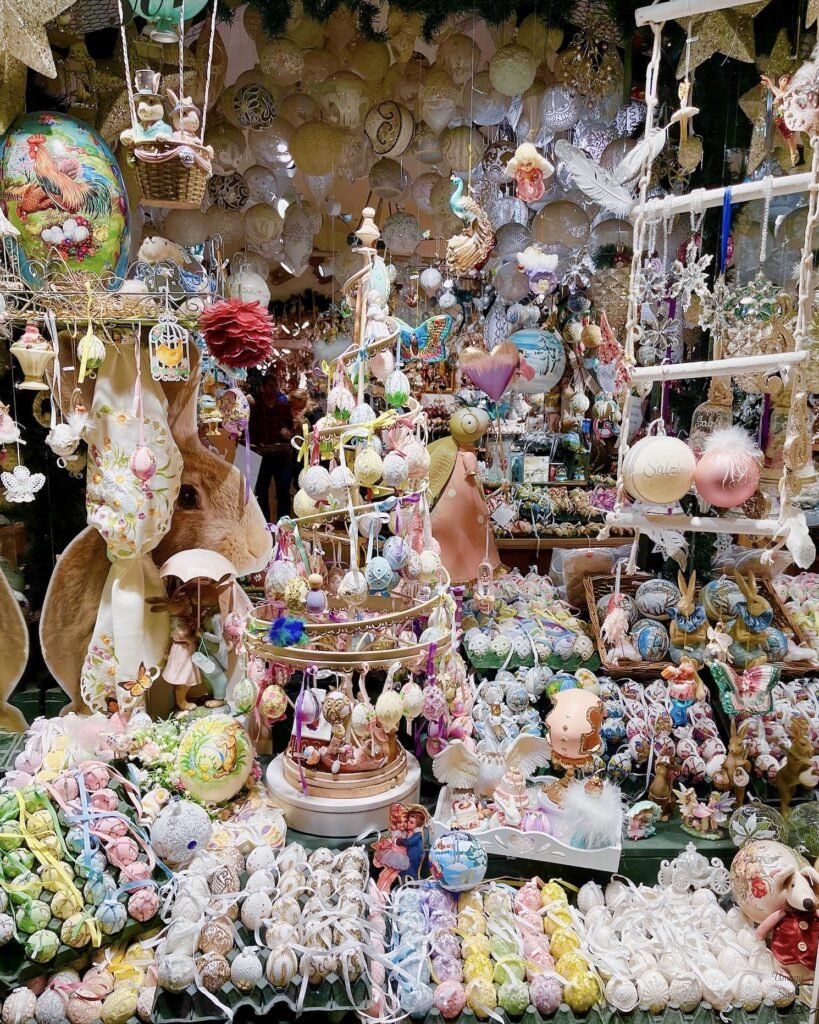
While wandering through the Old Town, we also came across a charming shop filled with Christmas decorations. Encountering such a scene just before the holiday season felt like a gentle and fitting way to bring the journey to a close.