
1/ Prepare:
Preheat the oven to 170°C (338°F). If using a fan oven, set it to 160°C (320°F).
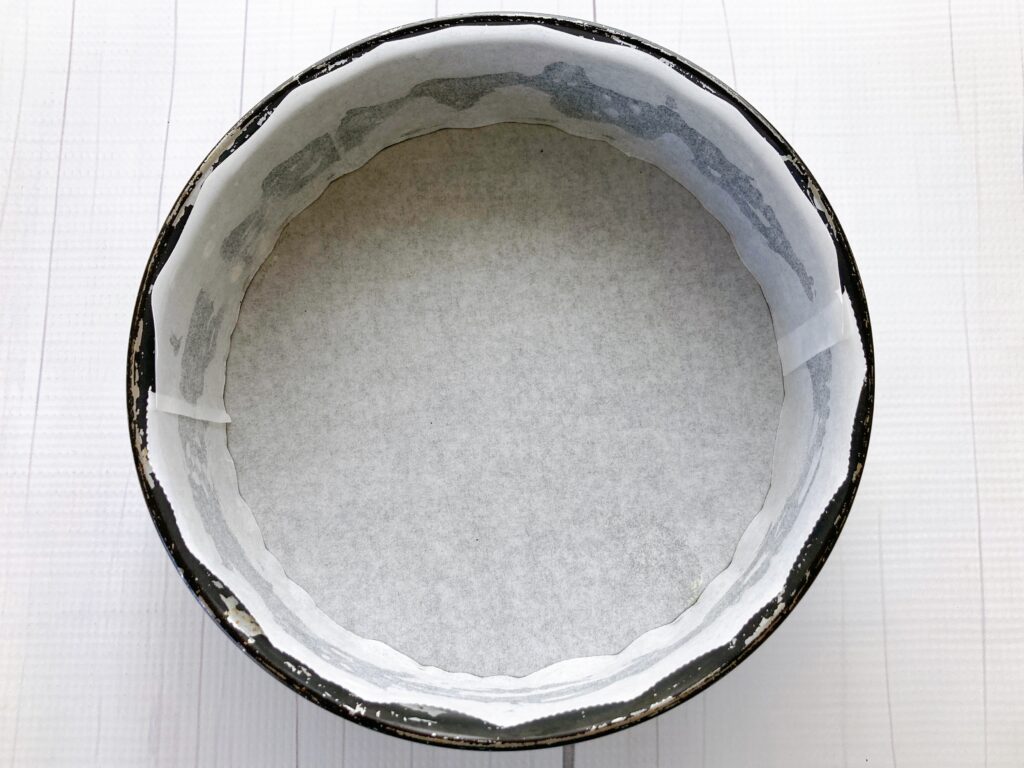
Line the cake pan with parchment paper. (Alternatively, grease the pan with butter and lightly dust with flour.)
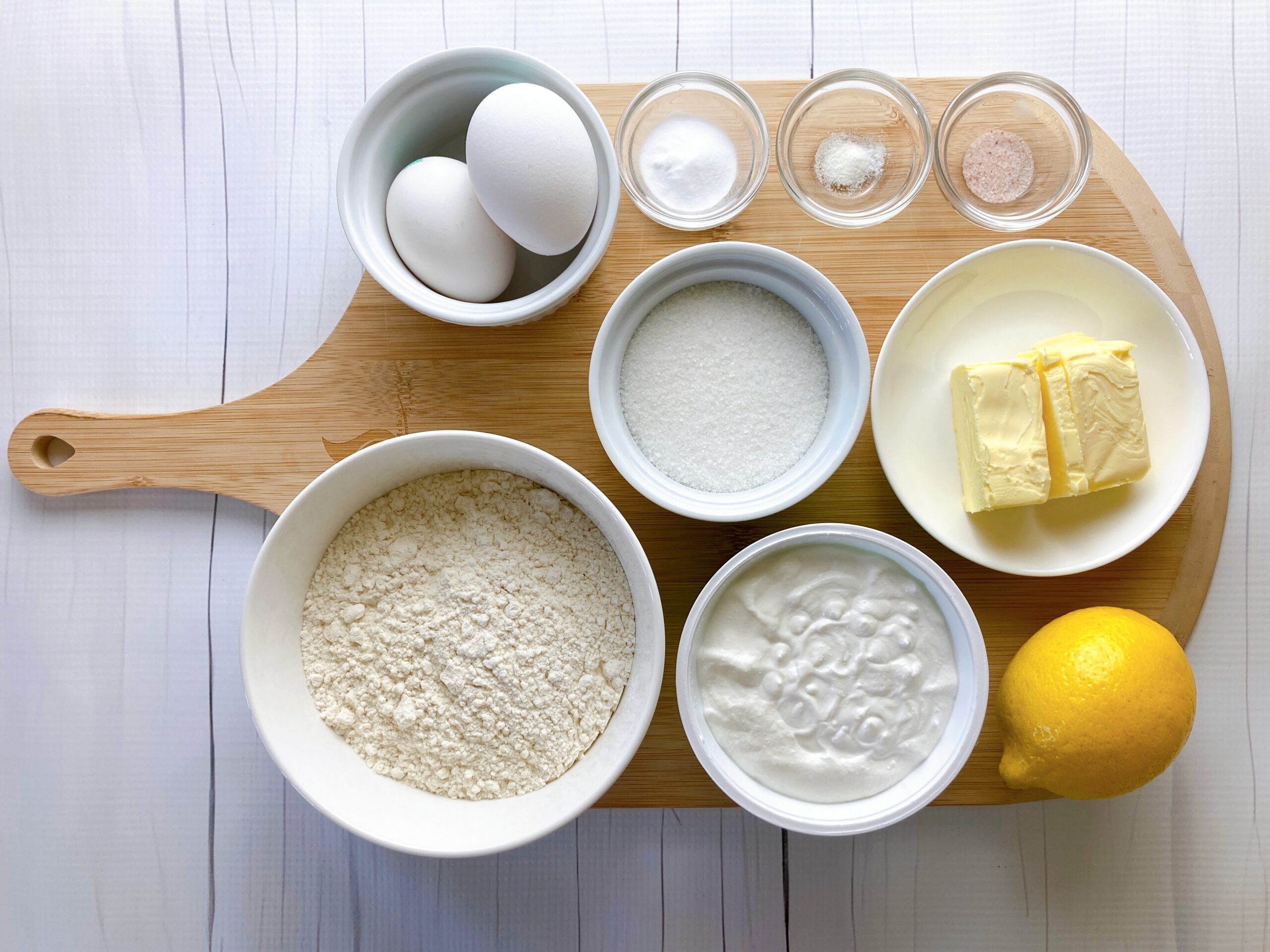
Bring all ingredients to room temperature. The butter in particular should be very soft — when pressed with a finger, it should dent easily but not be melted.
2/ Mix the butter and sugar:
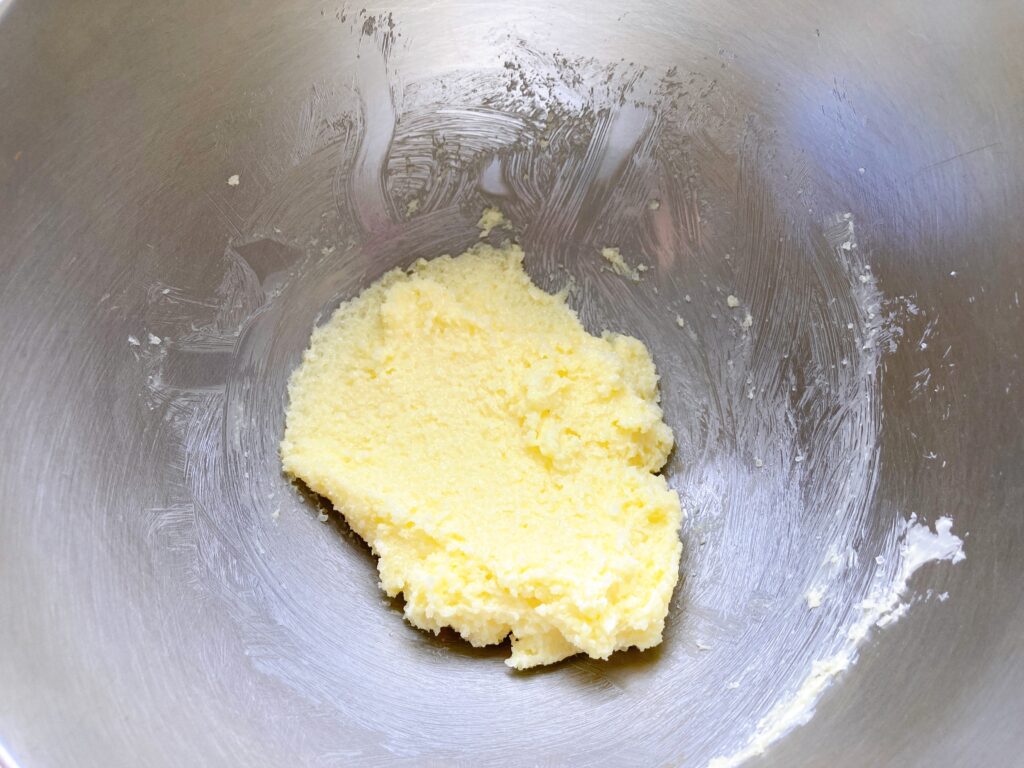
Place the softened butter in a bowl. Using a spatula, first press and stir it until completely smooth and creamy.
Add the sugar and switch to a whisk. Beat until the mixture becomes pale and fluffy. This step is important — incorporating air here helps create a light texture.
3/ Add the eggs:
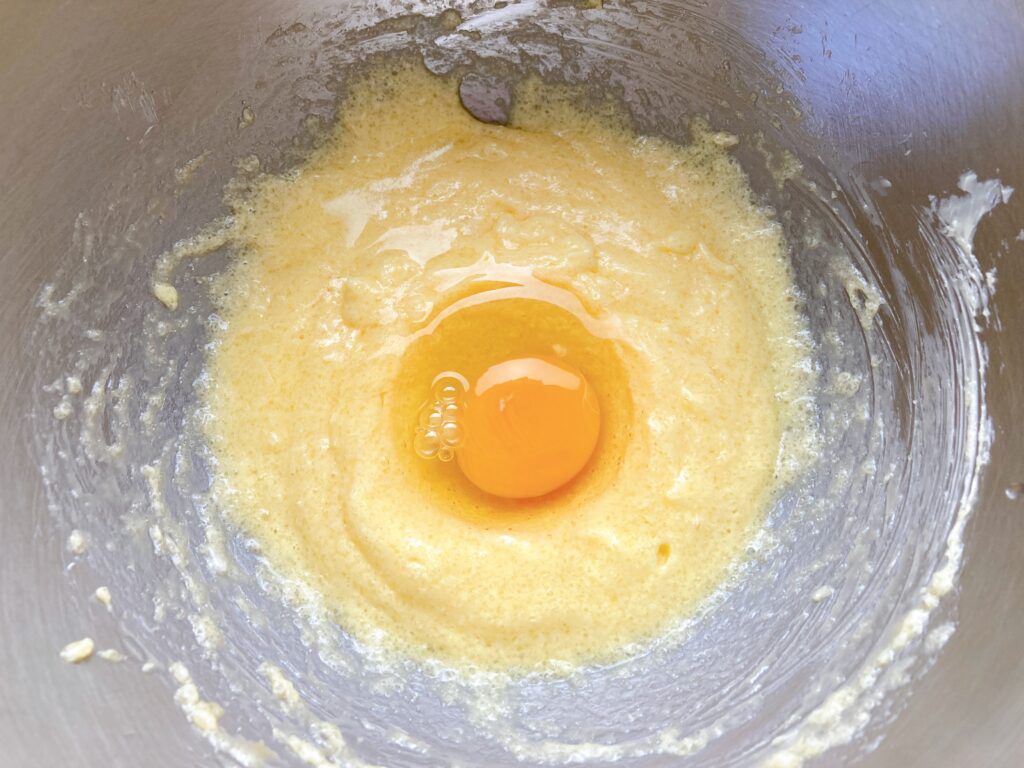
Add the eggs one at a time, mixing well after each addition. If the mixture looks like it may curdle, add a small amount of the flour mixture (about 1 tablespoon) and mix to bring it back together.
4/ Add the ricotta:
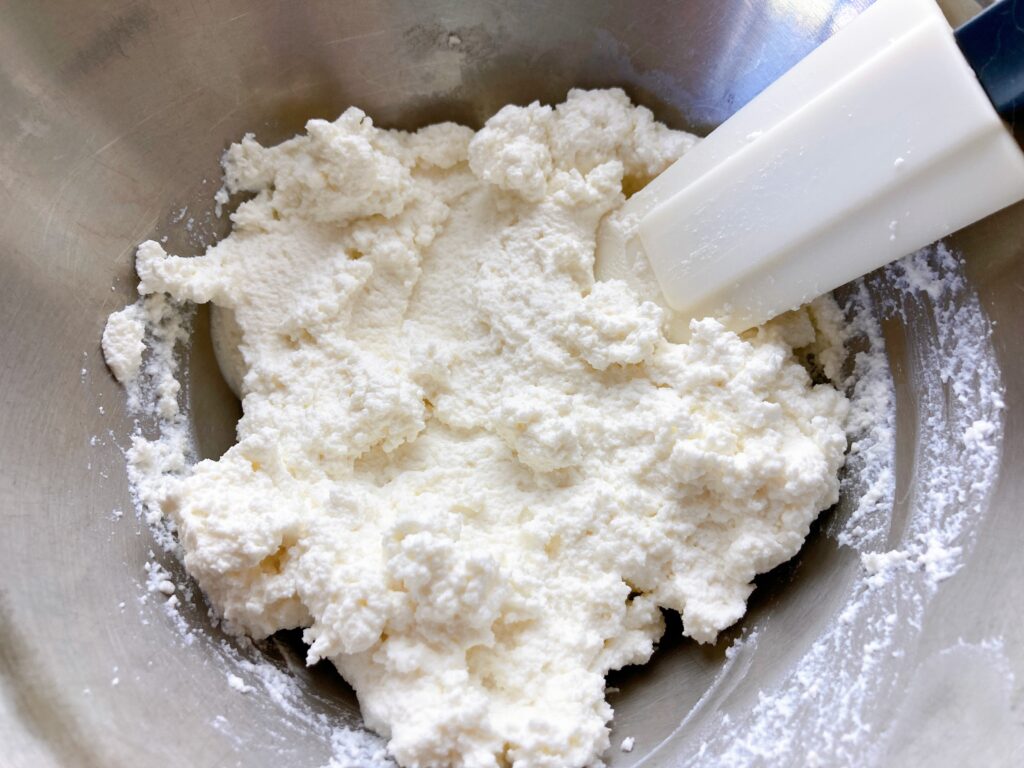
Lightly loosen the ricotta cheese before adding it to the batter. Mix until the batter is smooth and evenly combined.
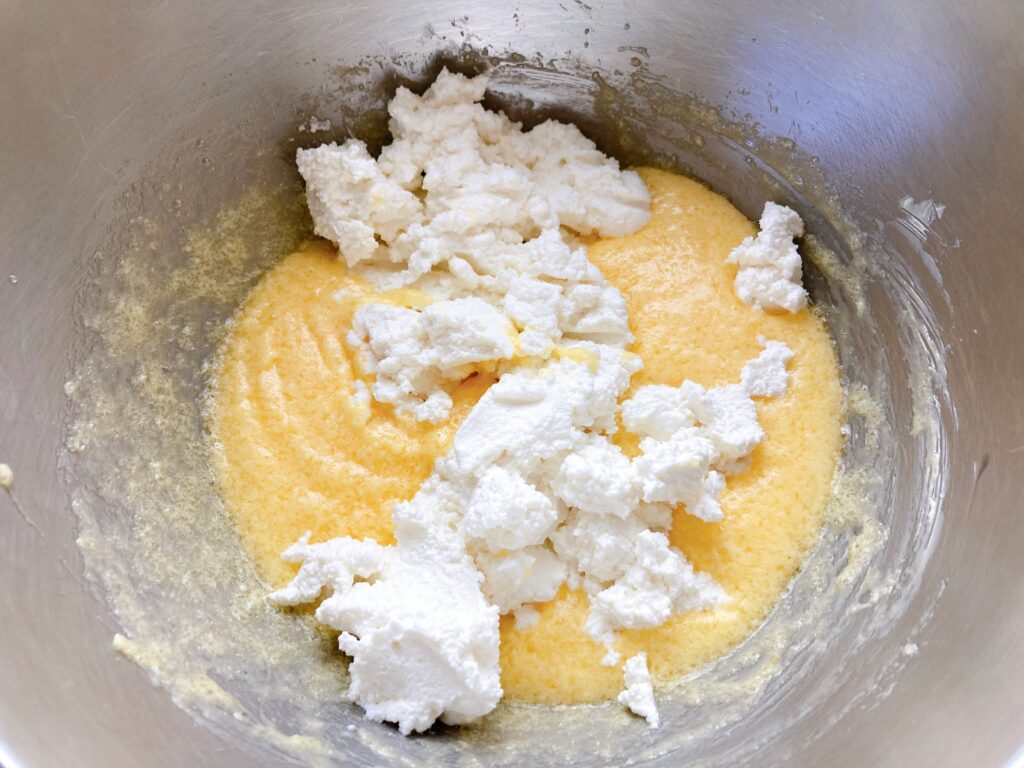
5/ Add the dry ingredients:
Add the sifted flour, baking powder, and salt. Gently fold with a spatula until just combined.
Stop mixing as soon as you no longer see dry flour. Do not overmix. Finally, add the finely grated lemon zest (yellow part only) and mix lightly.
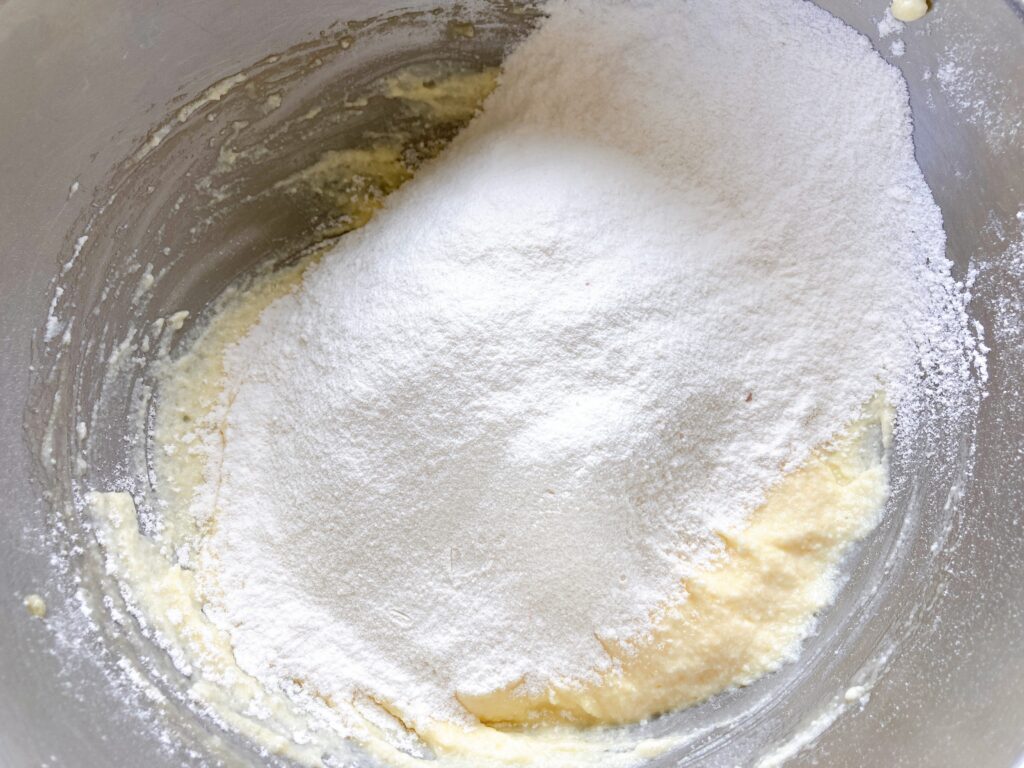
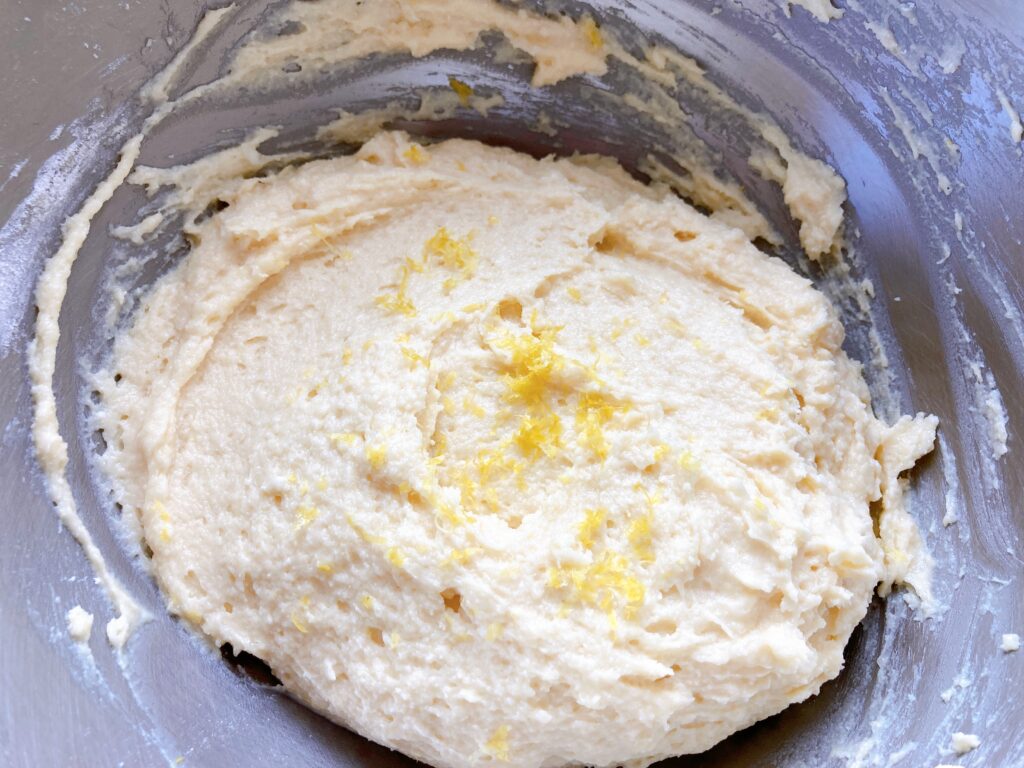
6/ Bake:
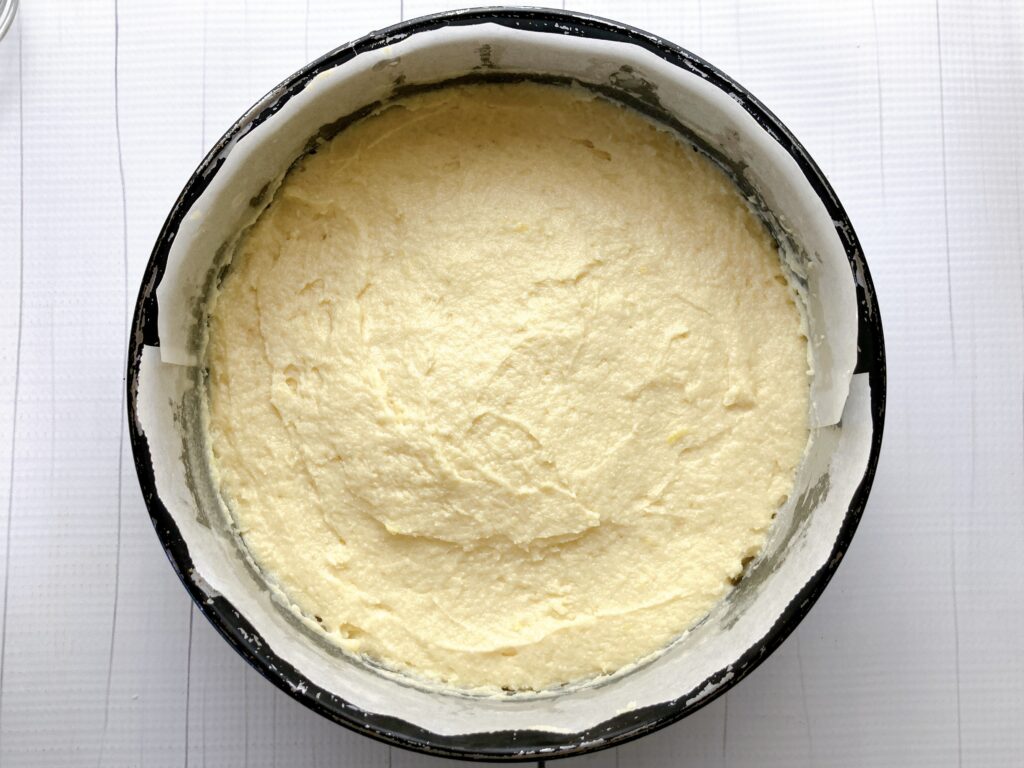
Pour the batter into the prepared pan and smooth the surface. Bake at 170°C (338°F) (or 160°C (320°F) with fan) for about 40–45 minutes. Insert a skewer into the center of the cake. If it comes out clean, the cake is done. Let the cake cool completely before removing from the pan. If desired, dust lightly with confectioners’ sugar before serving.
🌟 Tips for a Light and Fluffy Texture 🌟
⭐️ Make sure the butter is very soft: The butter should be soft enough that it dents easily when pressed with your finger.
If it is too firm, it will not incorporate enough air and the cake may turn out heavy. However, be careful not to melt it.
⭐️ Smooth the ricotta before adding it: Ricotta can be slightly lumpy if added directly. Lightly loosen or stir it until smooth before mixing it into the batter. This helps create a softer, more delicate texture.
⭐️ Cover loosely after baking: Once the cake is removed from the pan and slightly cooled, cover it loosely with plastic wrap. This helps retain moisture and keeps the cake tender.
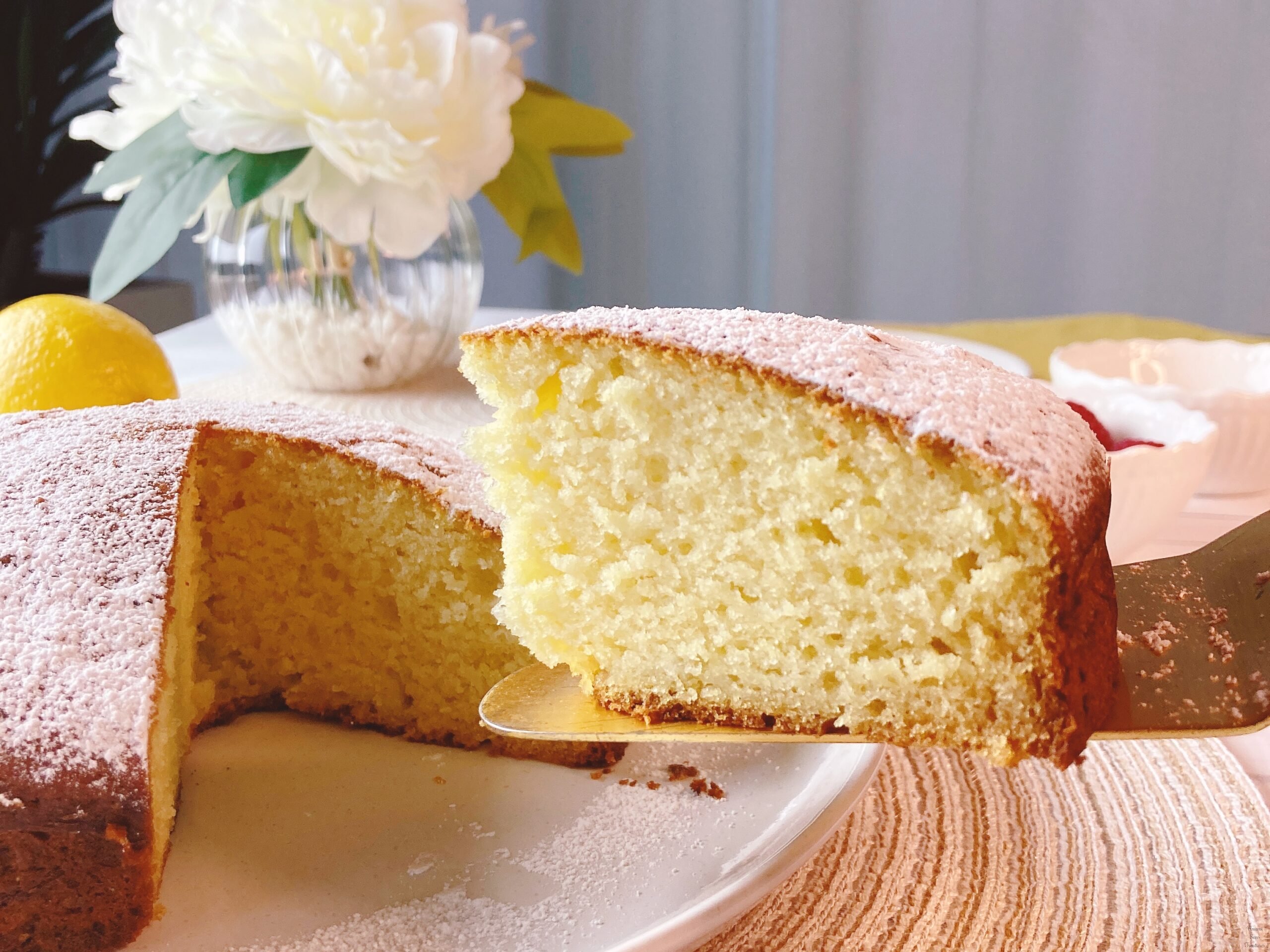
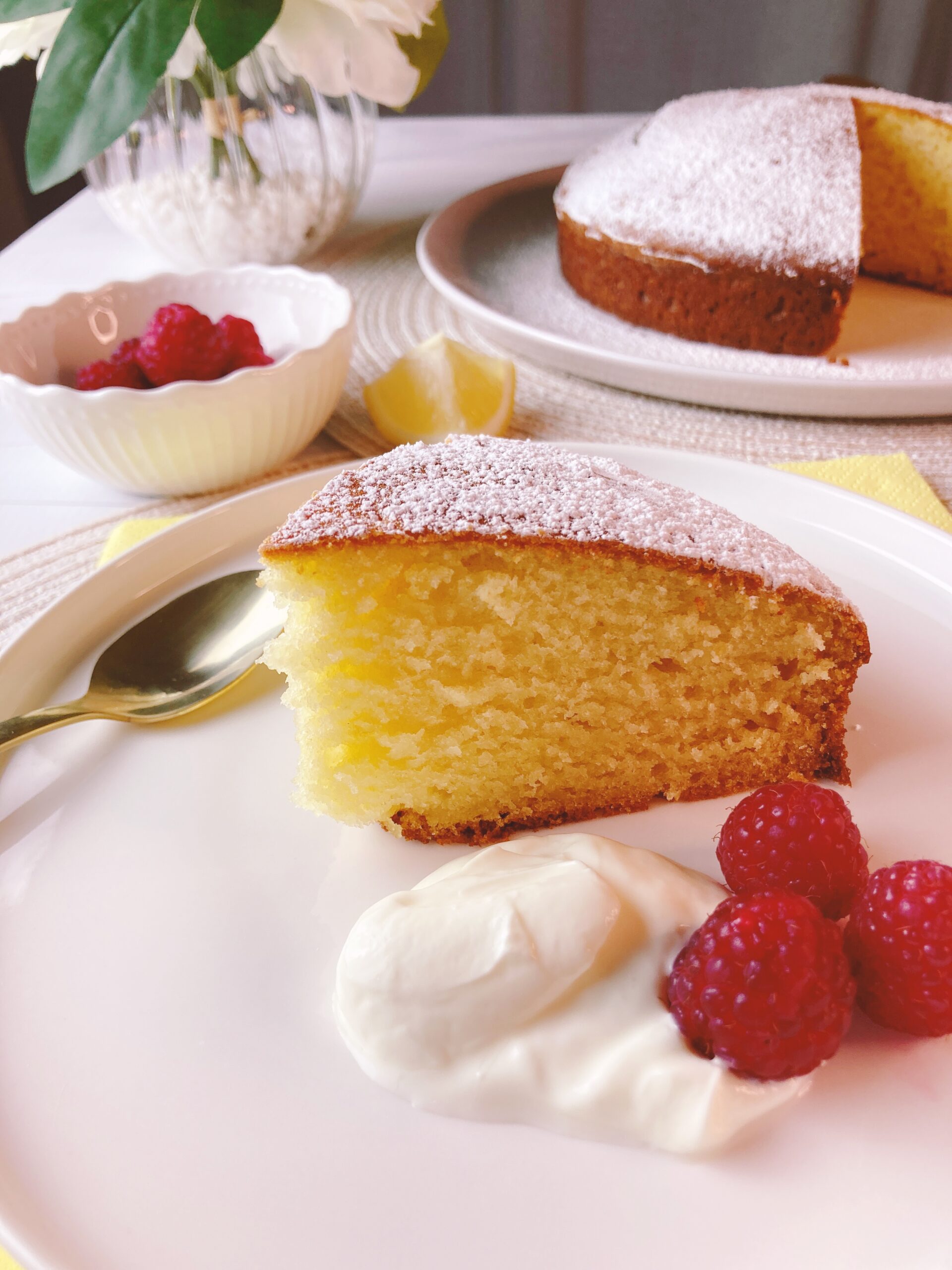
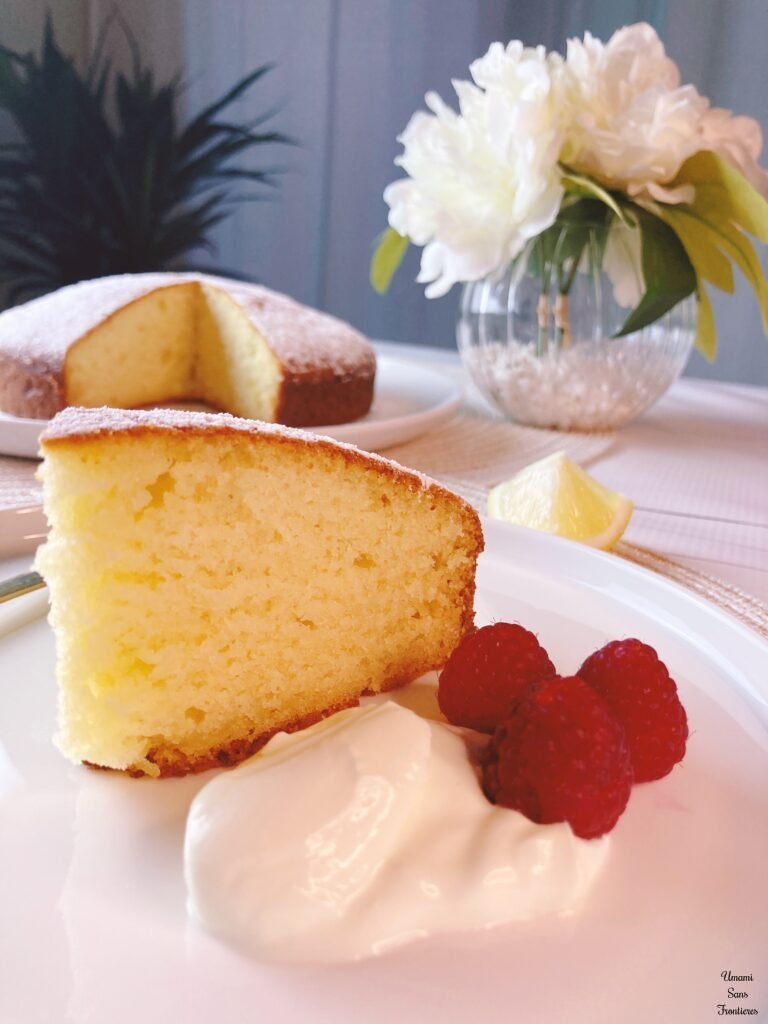
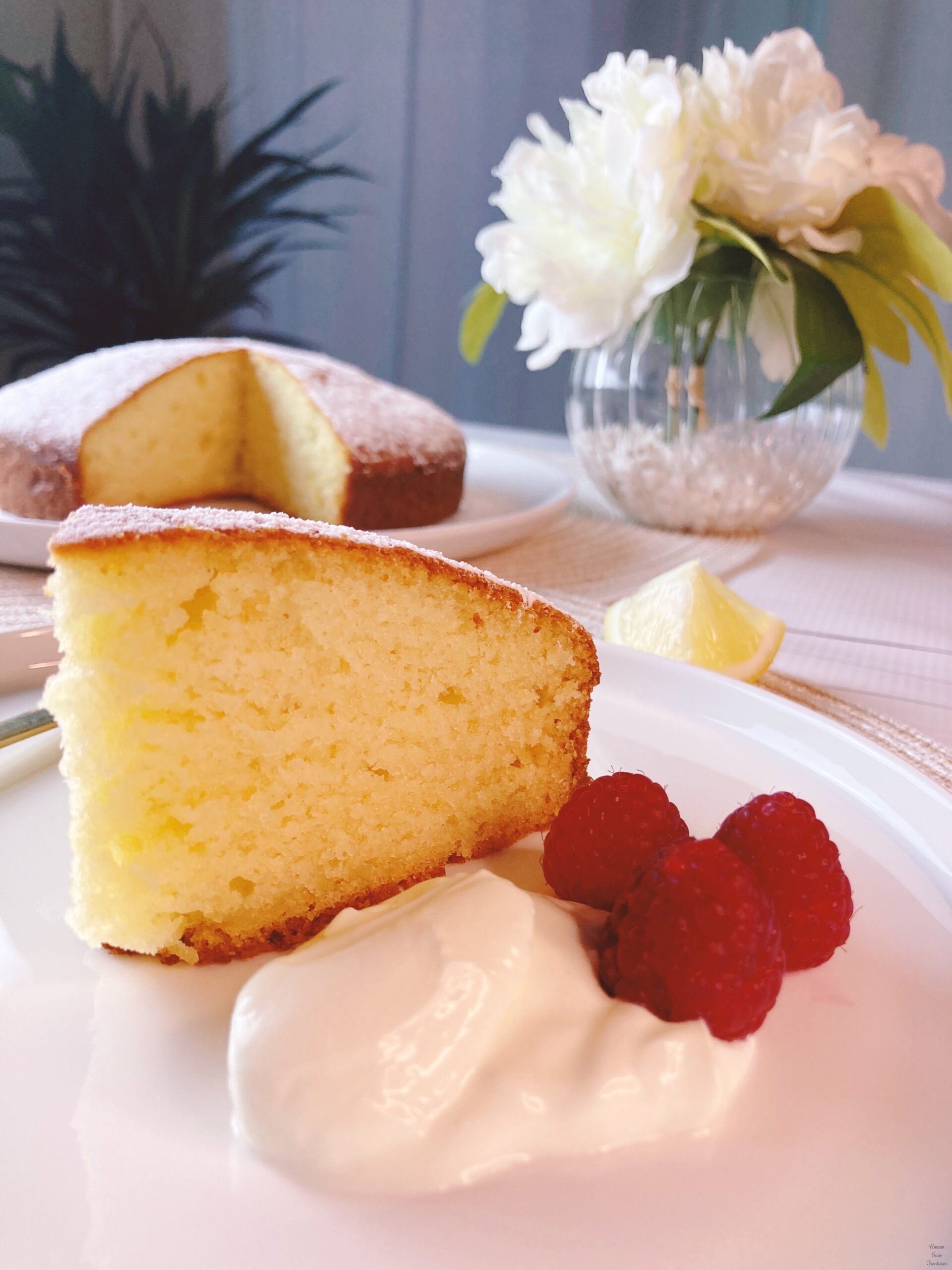
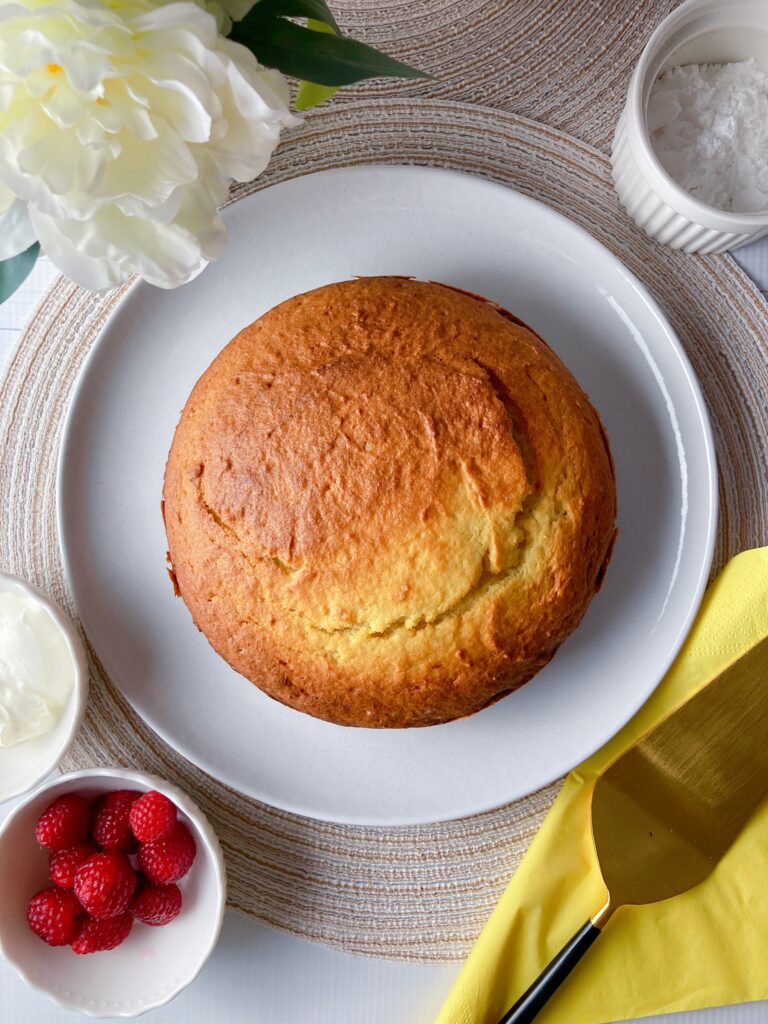
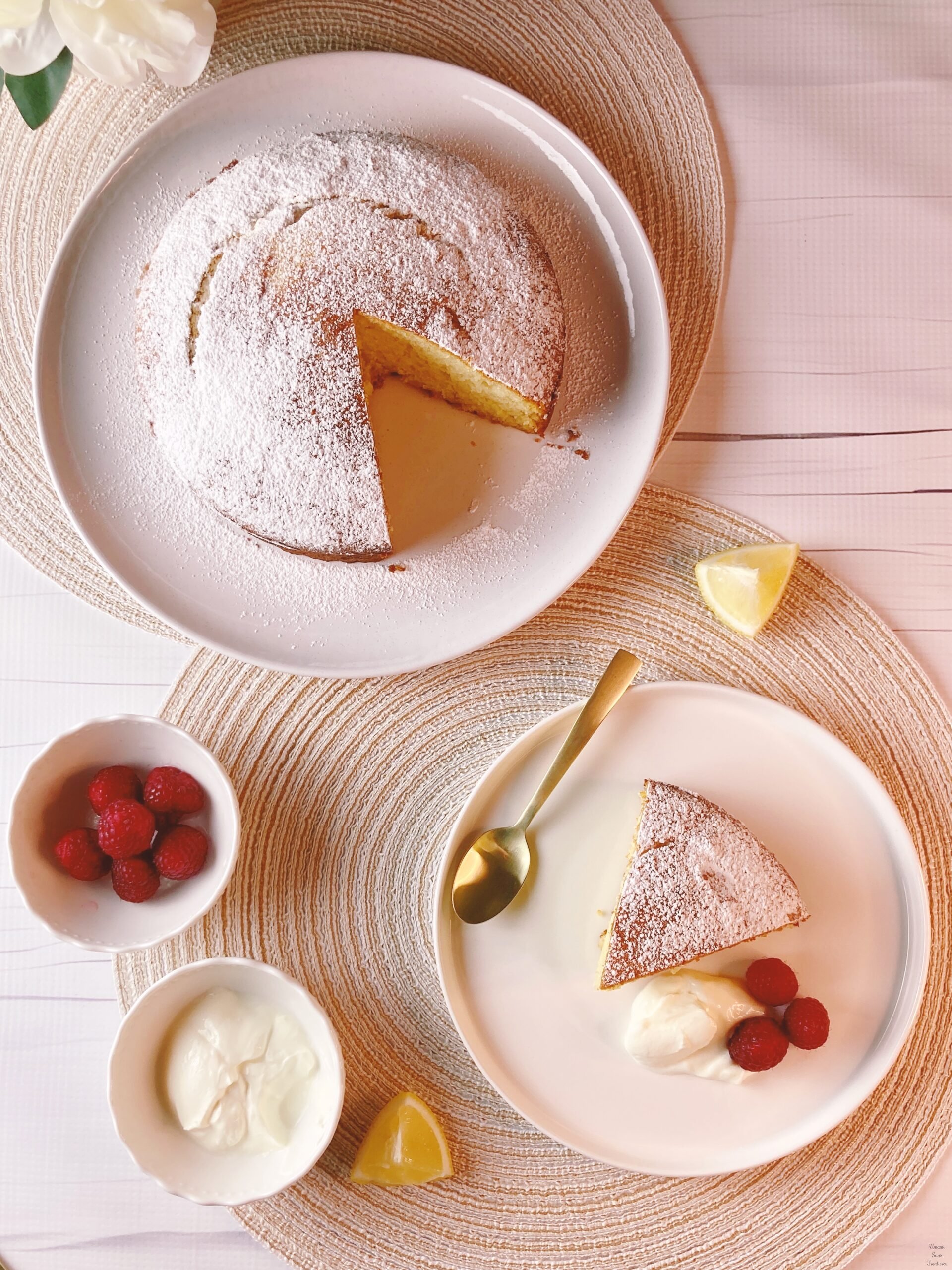
⭐️ About the Texture and Flavor: This cake turns out surprisingly light and fluffy. The sweetness is well balanced, and the lemon aroma is gentle and fresh. It was a hit with my family — my daughter even enjoyed a slice for breakfast. As shown in the photos, I served it with a spoonful of crème fraîche and fresh fruit. The slight tang and richness of the crème fraîche pair beautifully with the soft texture of the cake. It makes a lovely light breakfast, brunch, or afternoon dessert.