Dubai is often imagined as a city of glass towers, luxury malls, and futuristic skylines.
But along the banks of Dubai Creek, there is another side of the city—quieter, older, and unexpectedly intimate.
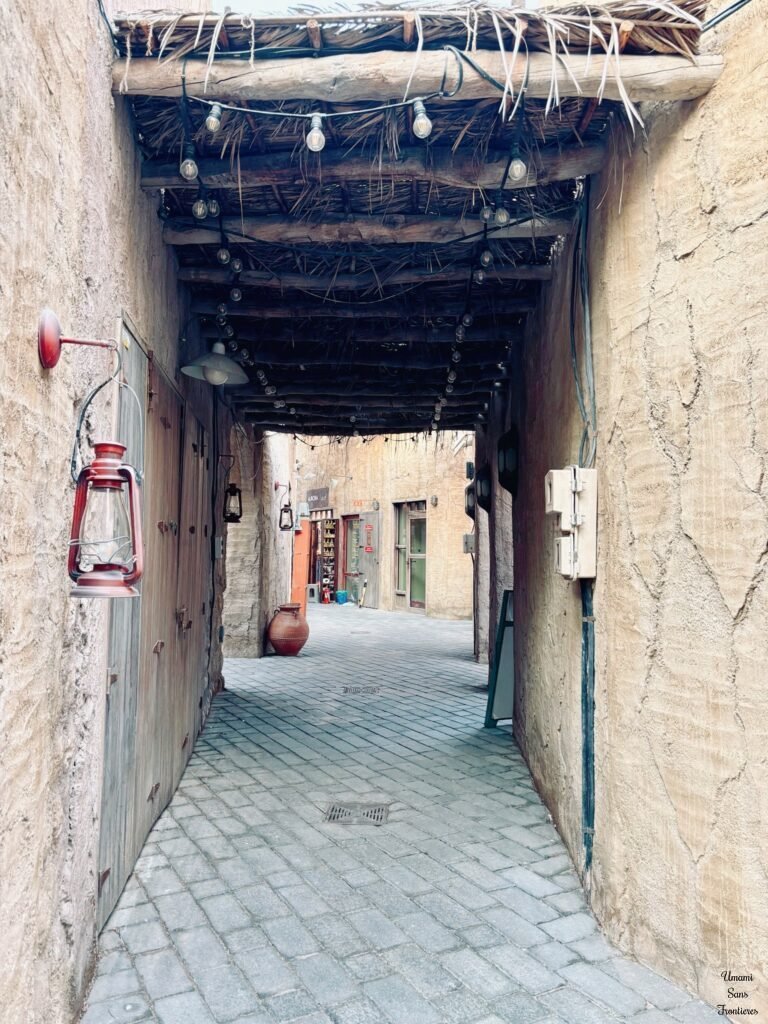
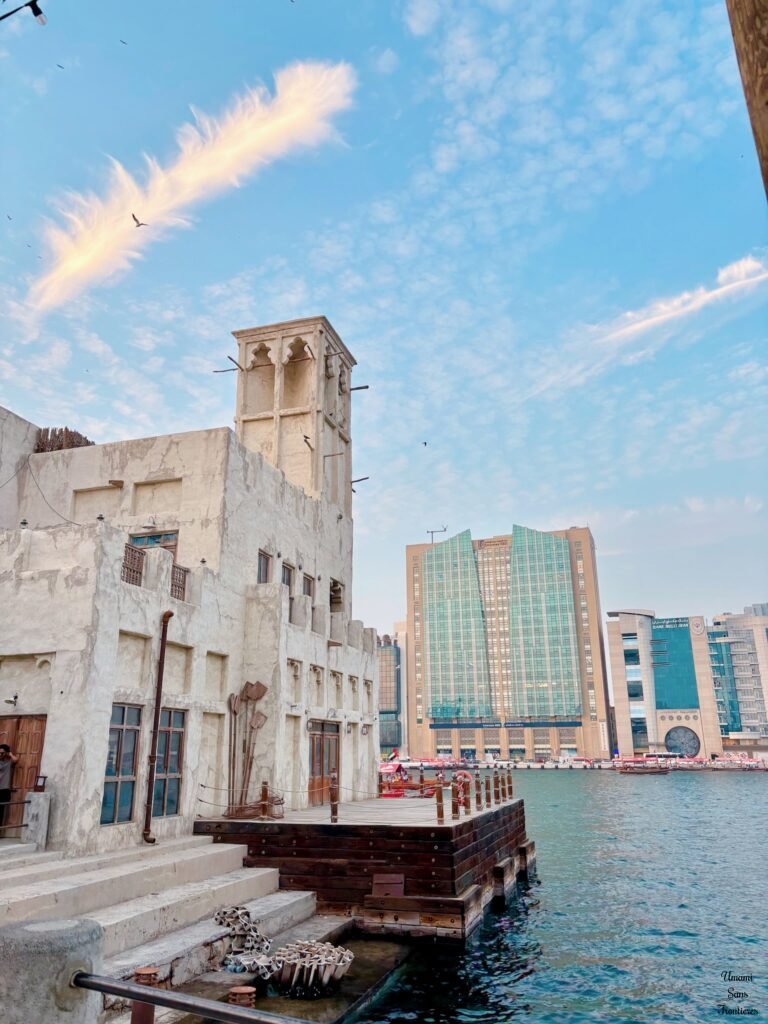
The Al Fahidi district is one of Dubai’s historic neighborhoods, formed between the late 19th and early 20th centuries. Before oil transformed the city, this area was part of everyday life in Dubai, and traces of the old town remained here until around the 1950s. Today, Al Fahidi has been carefully preserved and restored, with traditional buildings and narrow lanes that make it a calm and walkable place to explore.
On this visit to Old Dubai, I not only enjoyed a relaxed souk walk, but also discovered a memorable seafood meal—one that captured, in its own simple way, the flavors of the Emirates.
A Calm Souk Walk: Colors, Scents, and Space
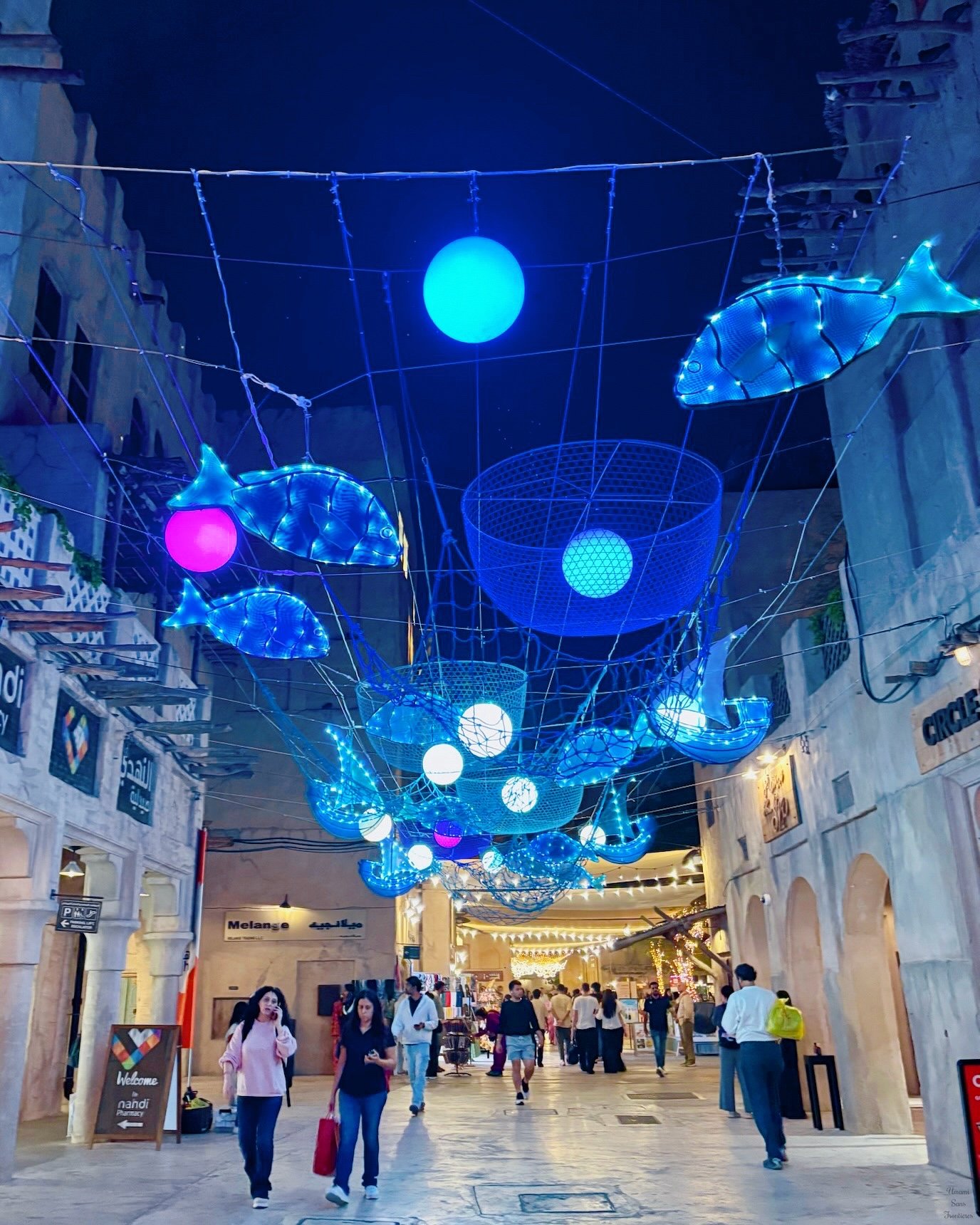
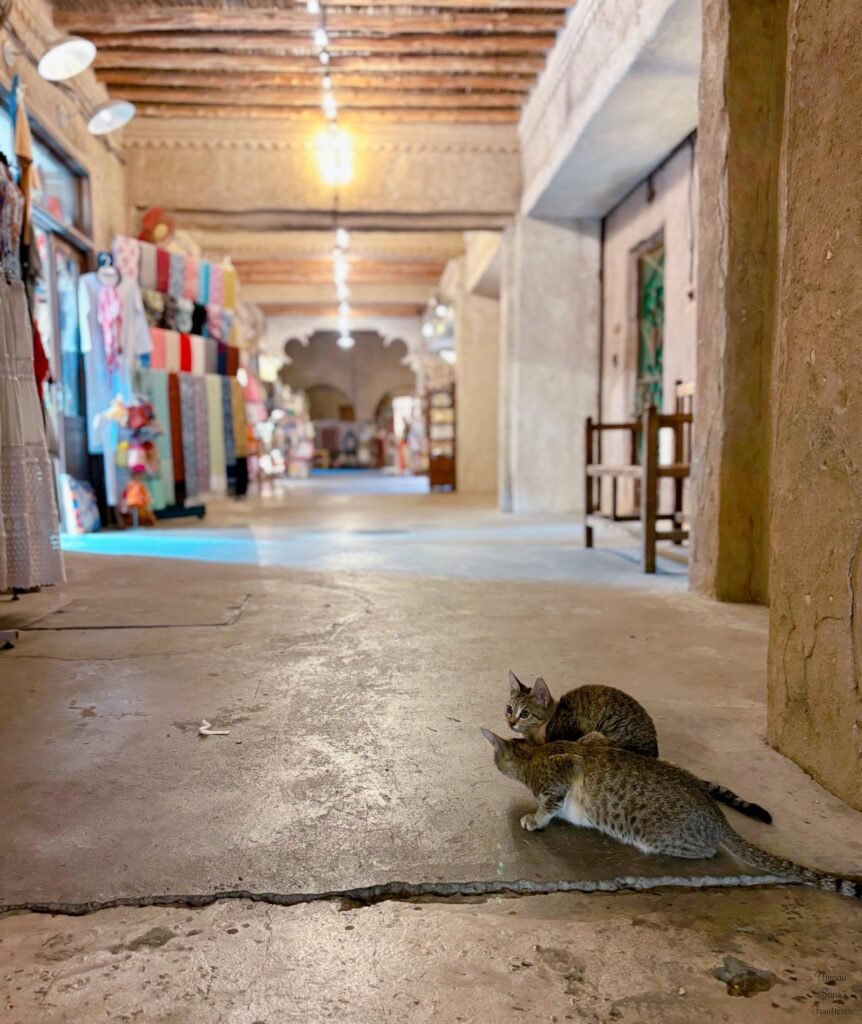
The souk streets in Al Fahidi feel pleasantly open and easy to walk through, even when they are lively with visitors. You can slow down, browse the shops, and take in the atmosphere at your own pace.
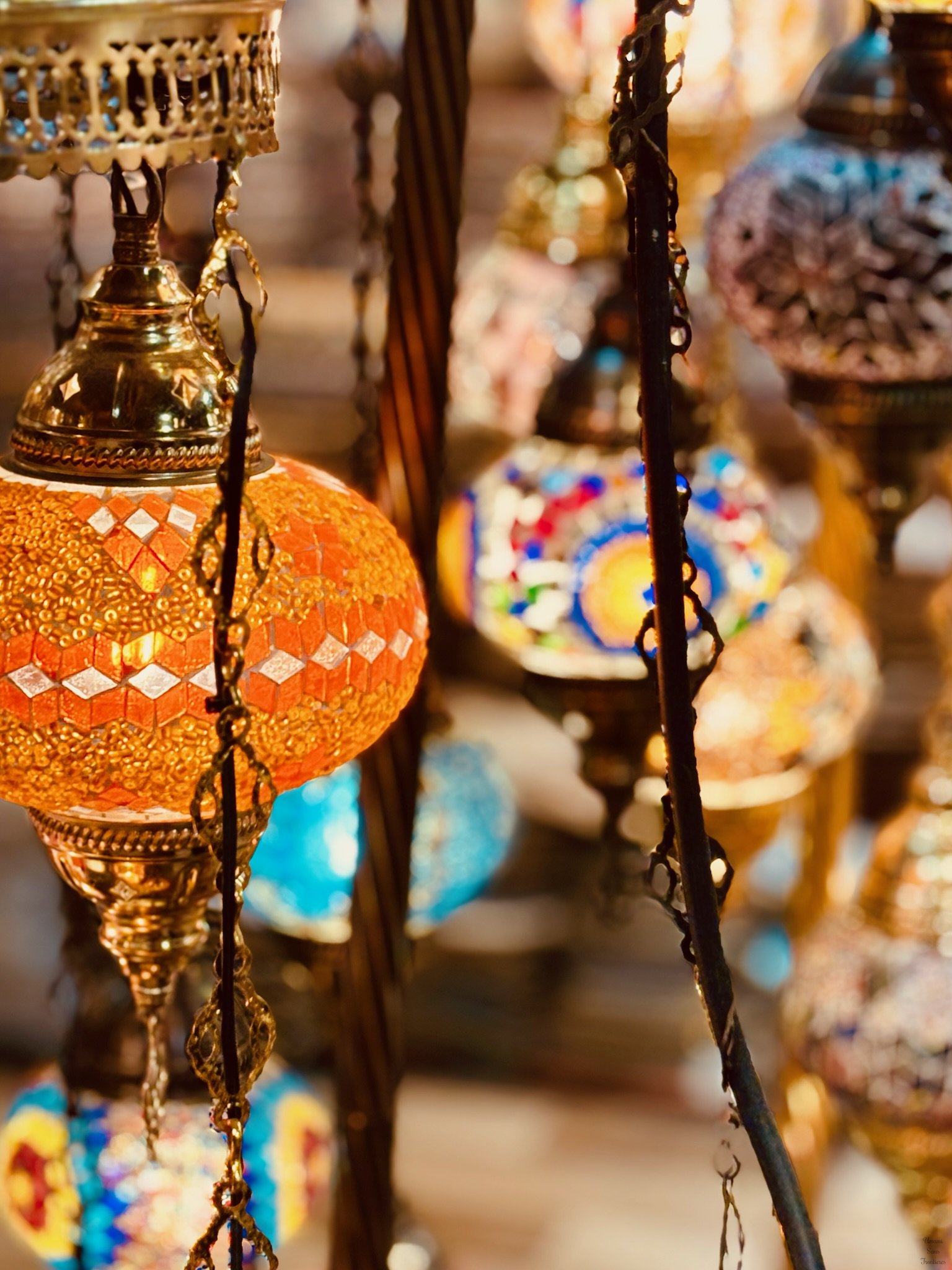
Spices, perfumes, ceramics, and decorative lamps line the lanes, bringing a sense of color and fragrance to the area. Everything feels carefully arranged rather than overwhelming, which makes wandering through the souk surprisingly relaxing.
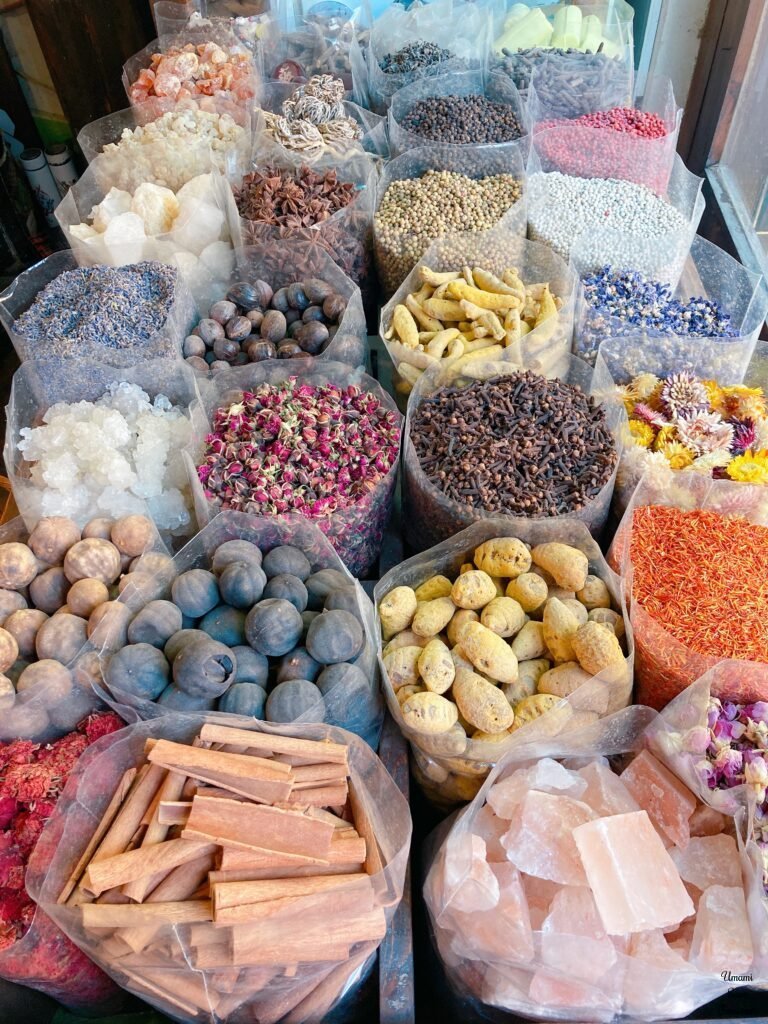
Rather than a crowded traditional market, the souk today is also home to stylish cafés and small restaurants. It is a lovely place to take photos and enjoy the slower rhythm of Old Dubai.
Shopkeepers may call out to you, but a light exchange and some friendly price negotiation are usually all it takes. I was even spoken to in Japanese a few times, which felt unexpectedly fresh, as it rarely happens in my everyday life. There seem to be more Japanese visitors than one might expect.
At one point, someone cheerfully called out to my French husband, “C’est pas cher!” (“Good price!”), which made our whole family laugh.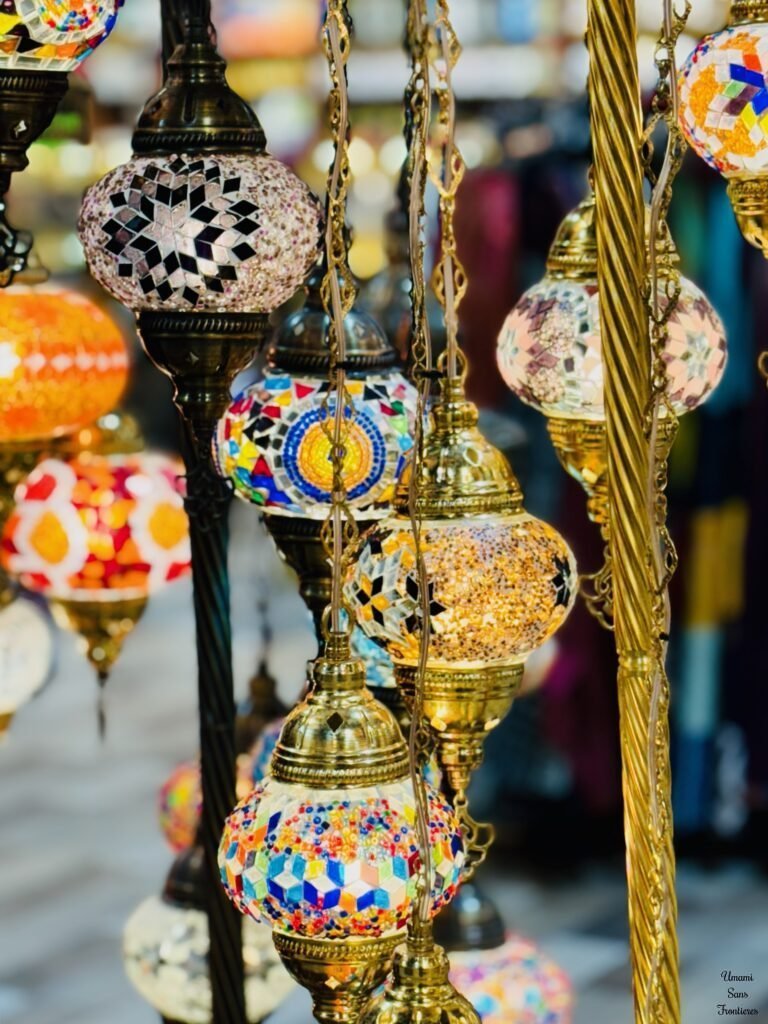
Small Finds from the Souk: Mint and an Abaya
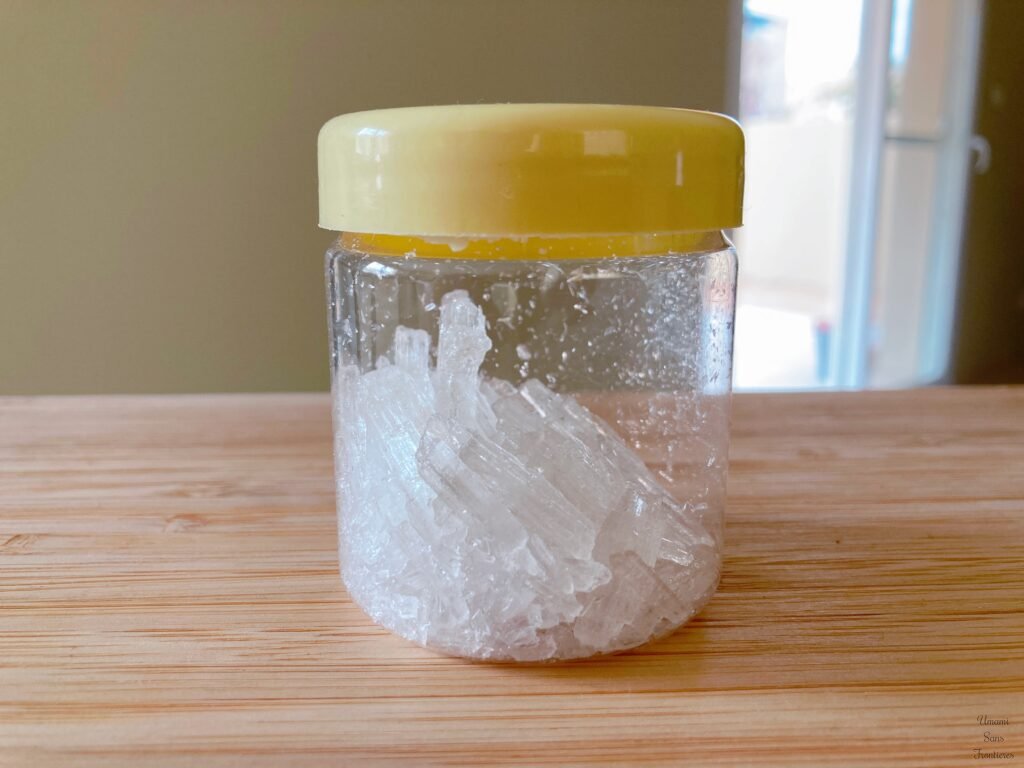
One of my favorite discoveries was a solid block of mint. When you sprinkle water over it, a fresh mint fragrance gently spreads into the air. I was told it can be especially helpful when you have a cold or a blocked nose. The fact that it was sold by weight—so you could choose exactly how much you wanted—made it even more appealing.
Since it was winter in Paris, I gave some to my daughter who lives there, thinking it might be a comforting little gift during the colder months.
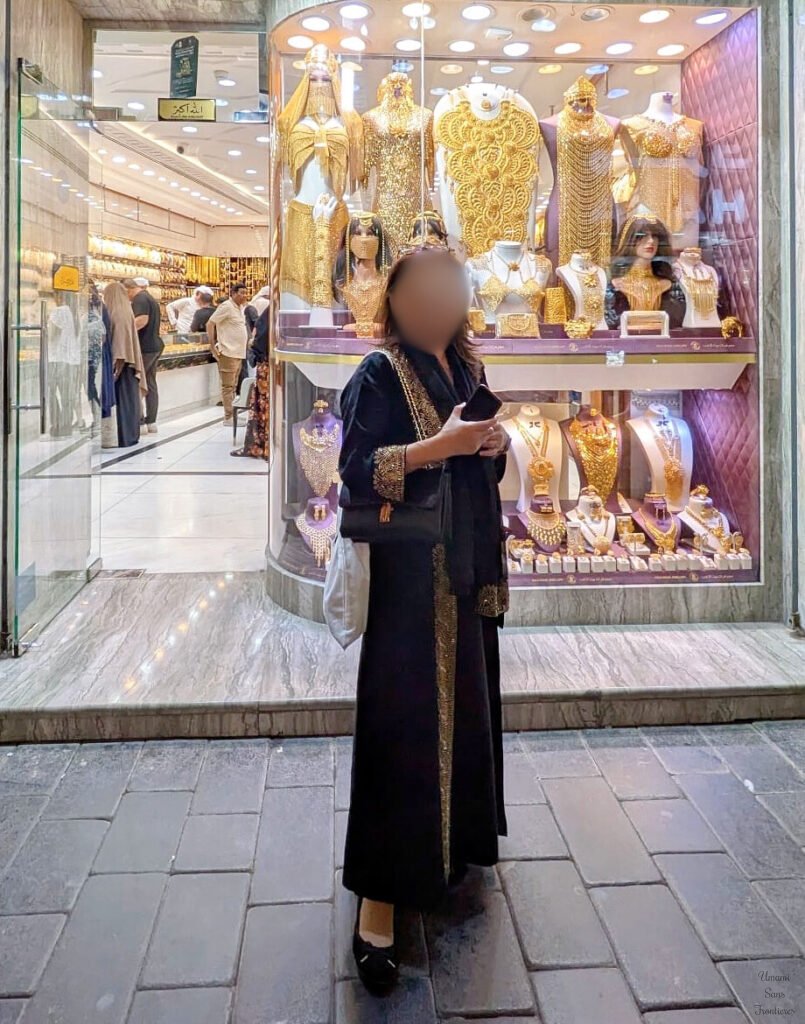
I also picked up an abaya, along with a shawl. In Dubai, it is common to see women wearing these long, flowing outer layers over their everyday clothes. I had often admired how elegant they look, especially when the fabric moves softly as they walk through shopping malls.
During the fitting, the shop staff showed me how to wear it over my head, but since I can’t quite manage that myself, I use it more like a scarf or light wrap. With buttons at the front, it can also be worn closed like a long coat, which makes it surprisingly practical—especially in buildings where the air conditioning can be very strong.
A Riverside Seafood Find by Dubai Creek
After walking through the souk for a while, we started to feel hungry and decided to stop at a seafood restaurant by the water. We hadn’t planned it at all, but it turned out to be a wonderful surprise.
Located right along the creek, the restaurant offers views of boats gliding across the water and the opposite bank, making it a perfect spot to sit down and relax.
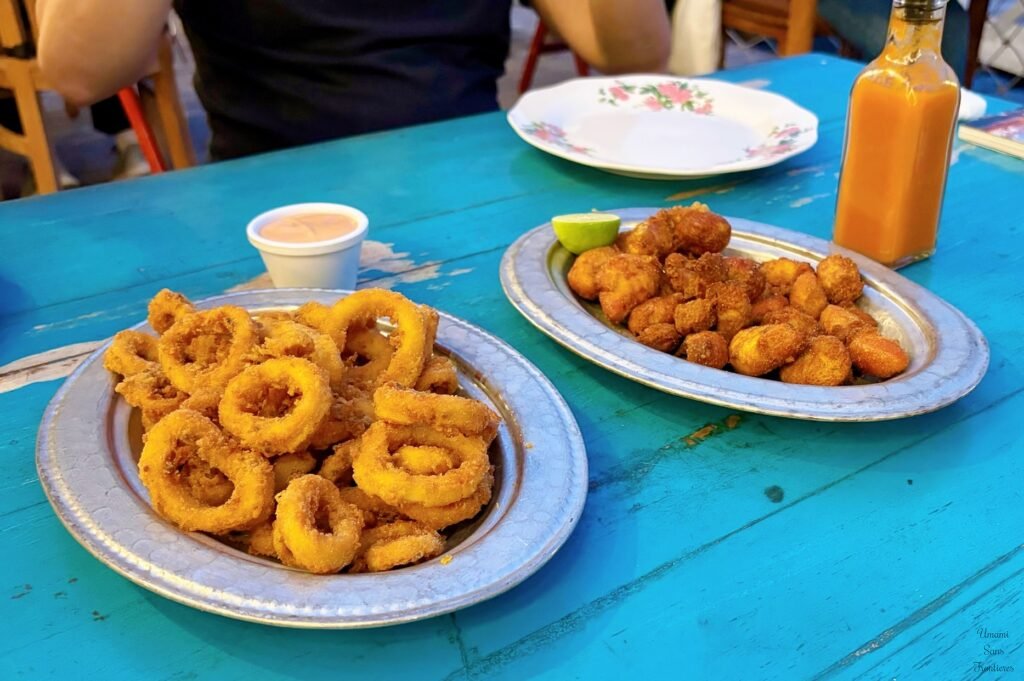
We began with fried squid and a small fried dish that tasted a bit like cod roe—crispy on the outside and just right as a starter.
For the main course, we ordered a generous platter served over saffron rice, topped with grilled fish (sea bass), fish kofta, shrimp, and squid. Kofta is a popular Middle Eastern dish made from minced ingredients mixed with spices, usually meat, but here it was prepared with fish.
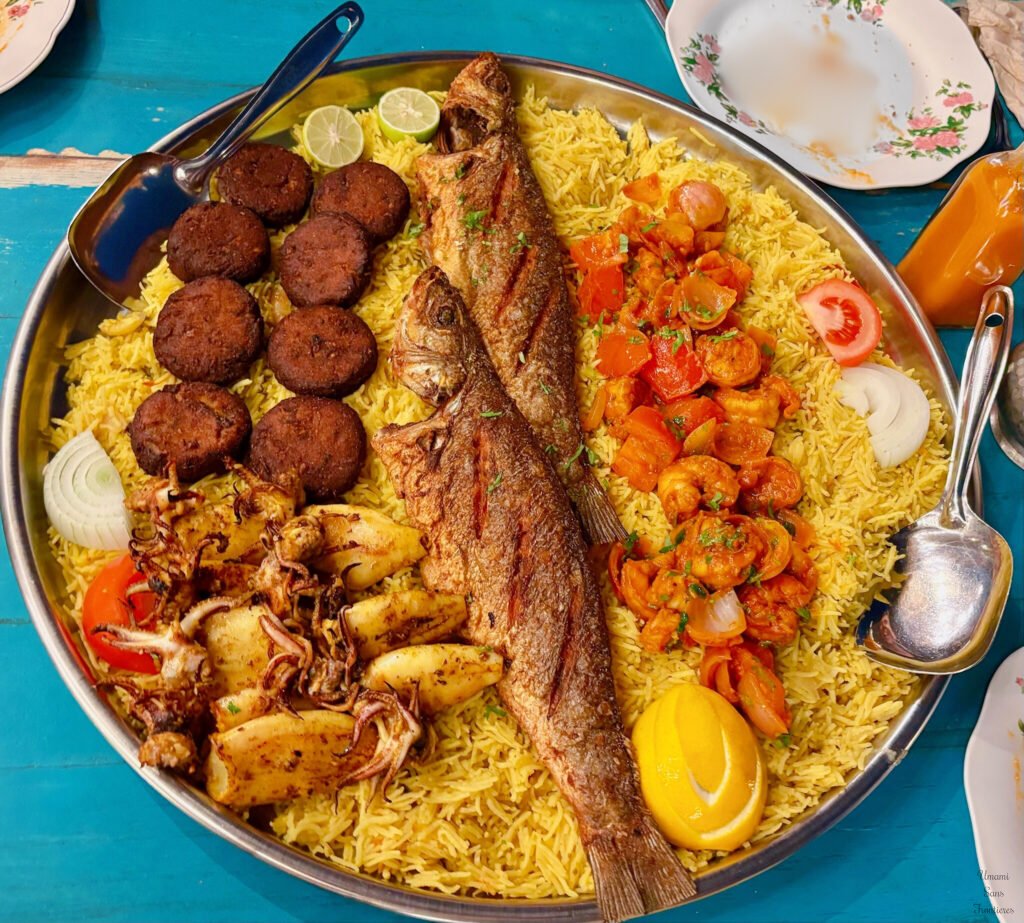
The grilled fish reminded me of Japanese-style grilled fish: the skin crisp and aromatic, the white flesh tender and fluffy. The spices were well balanced, and a squeeze of lime brought everything together beautifully.
The portion was meant for four people and was so generous that—unusually for us—we couldn’t finish all the rice. I honestly wished we could take it home.
When I later brought a friend from Japan to this restaurant during her short stay in Dubai, she immediately said, “This is delicious!” Finding such a relaxed, satisfying place in the middle of the old city is part of what makes Al Fahidi so special. If you are curious to try Emirati-style seafood in a calm setting, this is a spot I would happily recommend.
Another Day: Gold Souk and an Abra Ride
On a different day, I visited the Gold Souk area with the same friend from Japan. Compared to the calm atmosphere of Al Fahidi, this side of the creek was much more energetic and crowded with tourists.
That day, I finally had the chance to ride an abra, the traditional wooden boat that crosses Dubai Creek. The ride lasts only a few minutes, but the breeze, the water, and the simple act of crossing felt surprisingly refreshing—almost like a miniature boat journey.
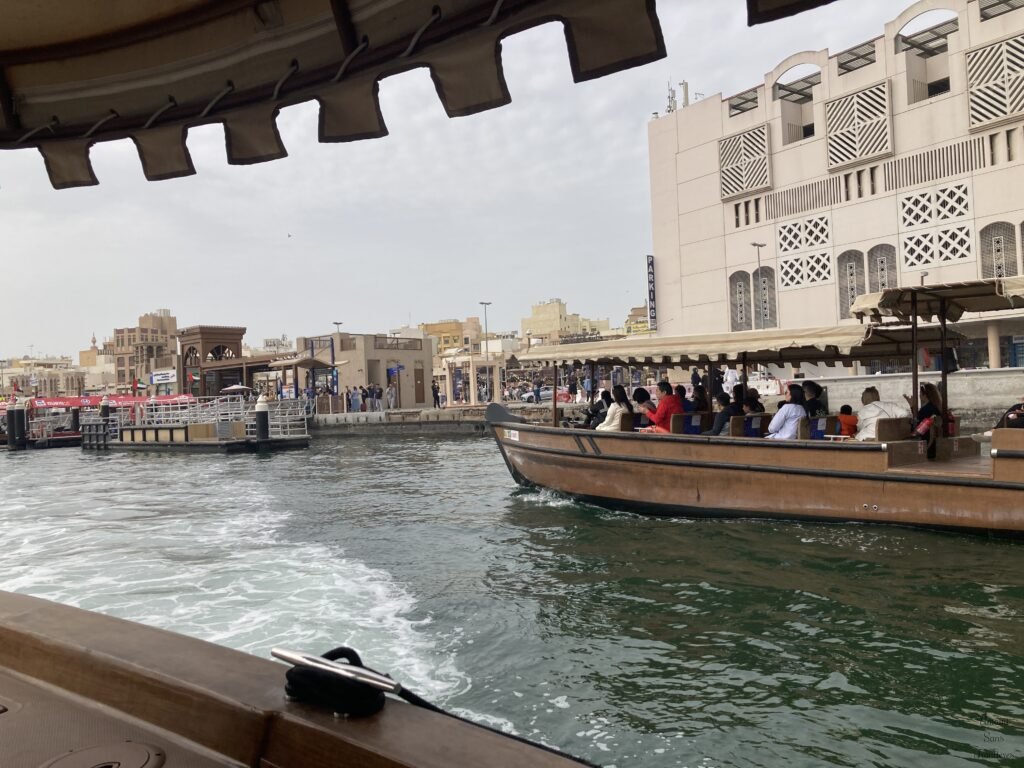
It was a small experience, but one that felt uniquely tied to Old Dubai.