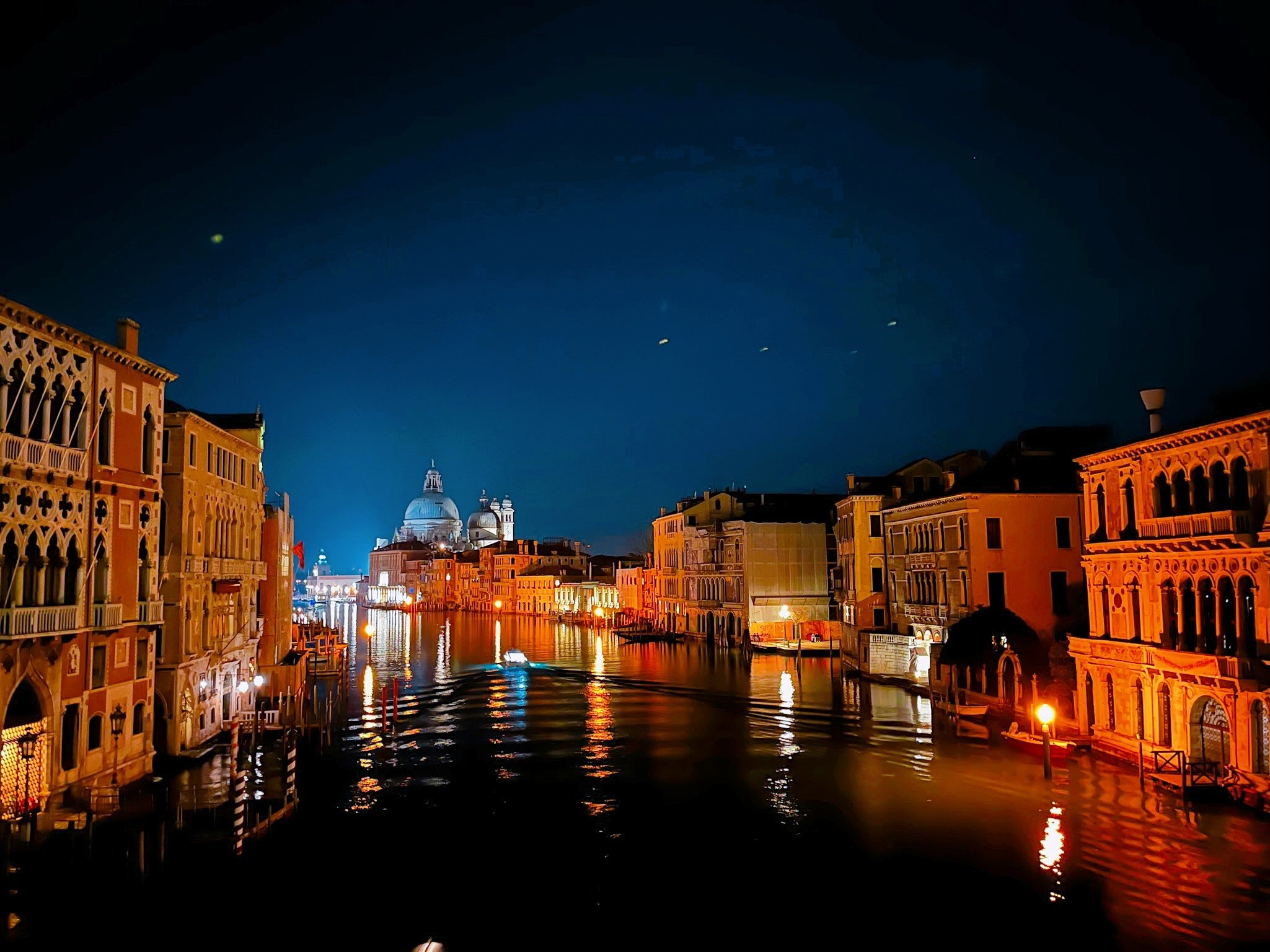
In Vol.1, I introduced some of Venice’s most iconic sights, such as St. Mark’s Square and the Grand Canal.
This time, I would like to explore the city from a different perspective—through music.
It is another side of Venice that left a lasting impression on me.
Teatro La Fenice: A Symbol of Venice’s Musical Heritage
The first place we visited was Teatro La Fenice.
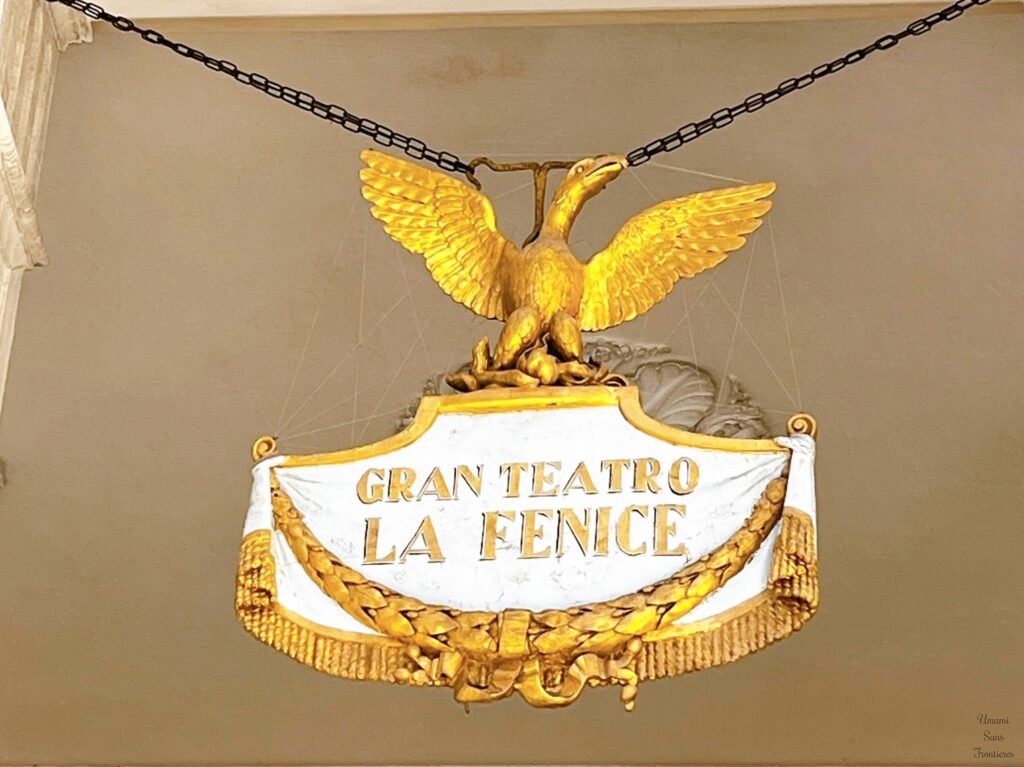
Opened in 1792, this historic theater is a symbol of Venice’s rich musical heritage.
True to its name—“La Fenice,” meaning “the phoenix”—it has been destroyed by fire several times, only to be rebuilt again and again.
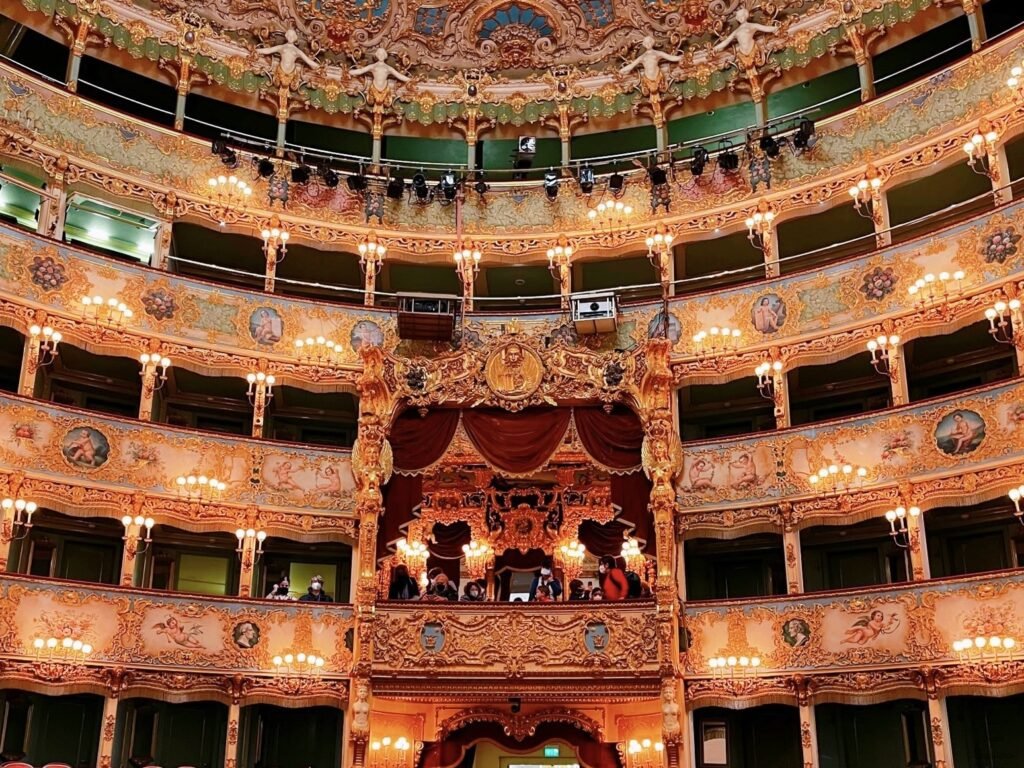
From the outside, the building appears rather understated, but the moment you step inside, the atmosphere changes completely.
I was simply left speechless by its beauty.
There is no other way to describe it—it is just stunning.
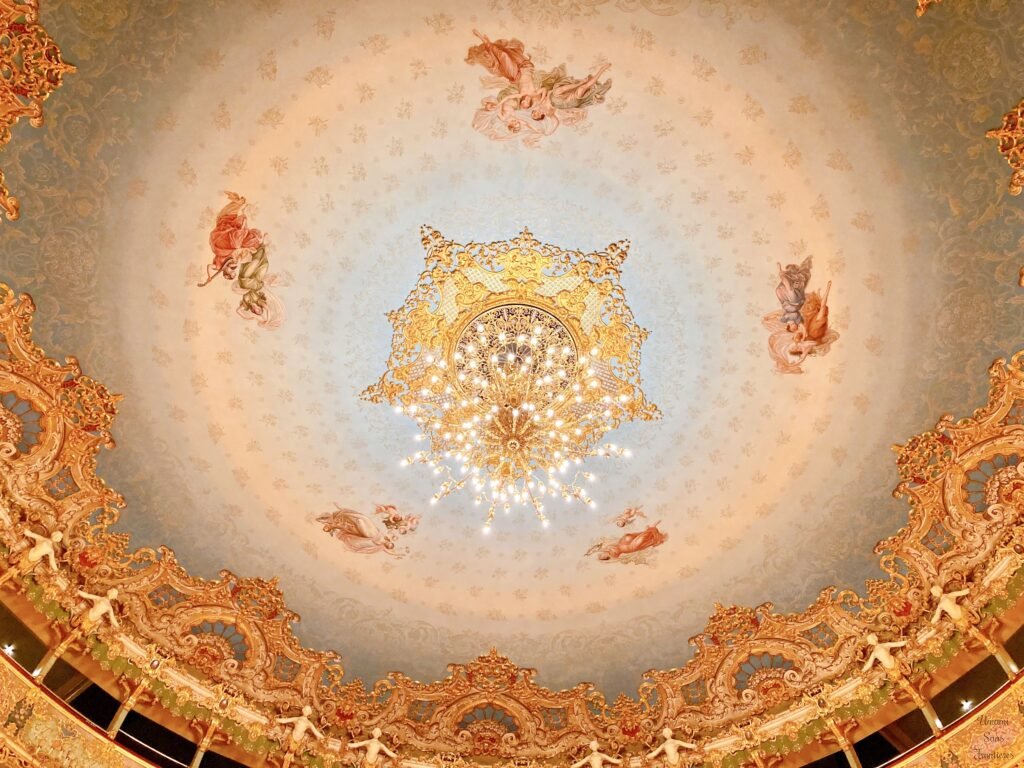
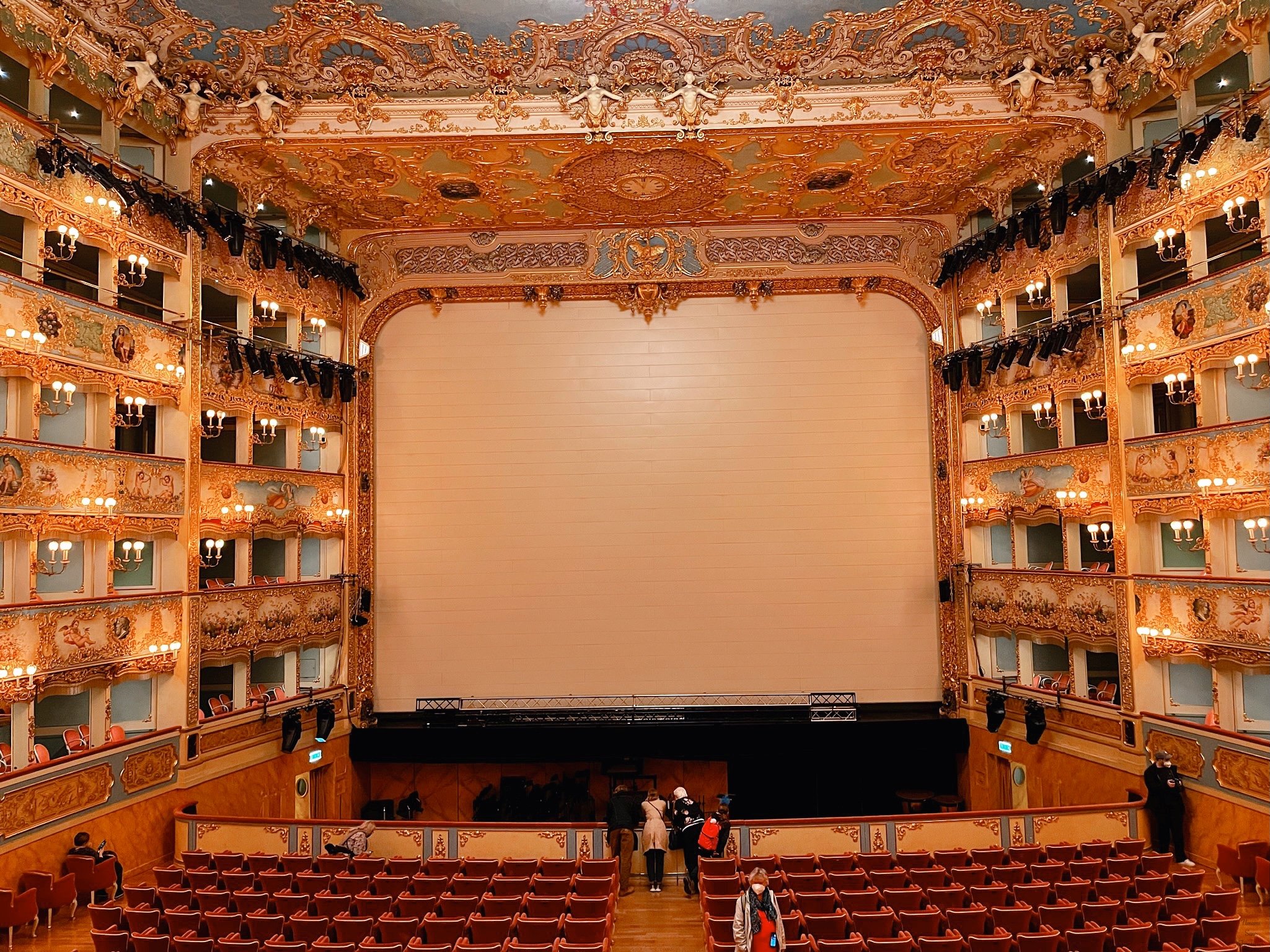
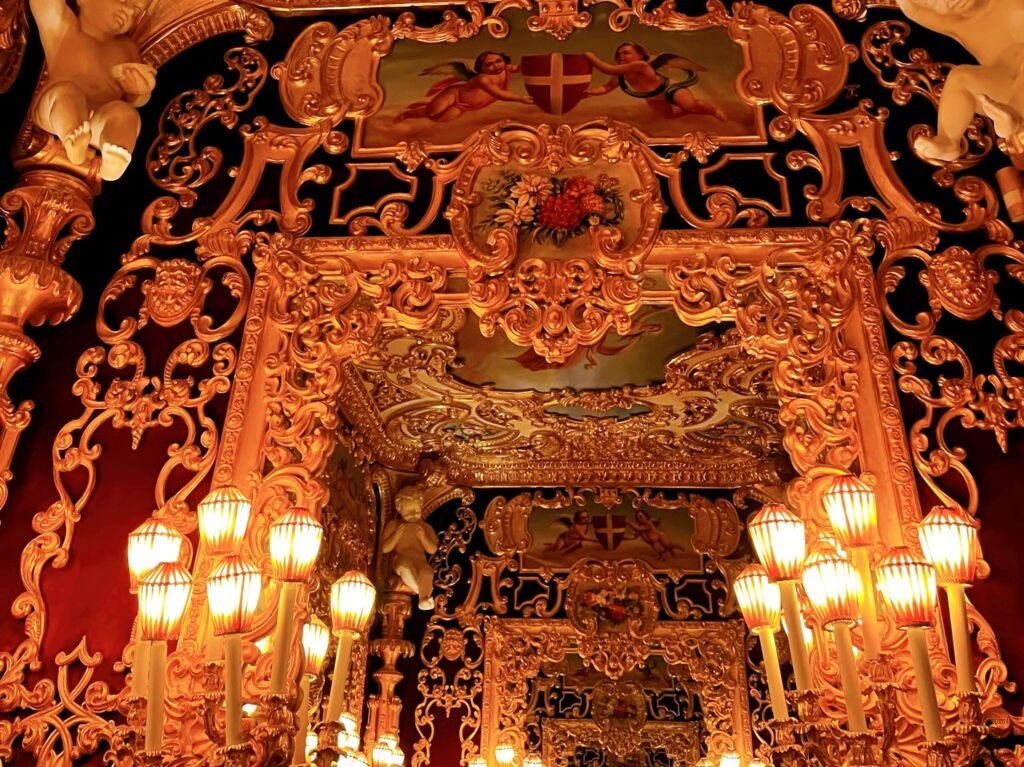
The golden decorations and intricate details create a space that feels truly made for opera. Even standing there quietly, you can almost imagine the many performances that have taken place on this stage over the years.
There were also many exhibits dedicated to Maria Callas, and knowing that she once performed here made the experience feel even more special.
In the Footsteps of Vivaldi
One of the most famous composers born in Venice is, of course, Vivaldi.
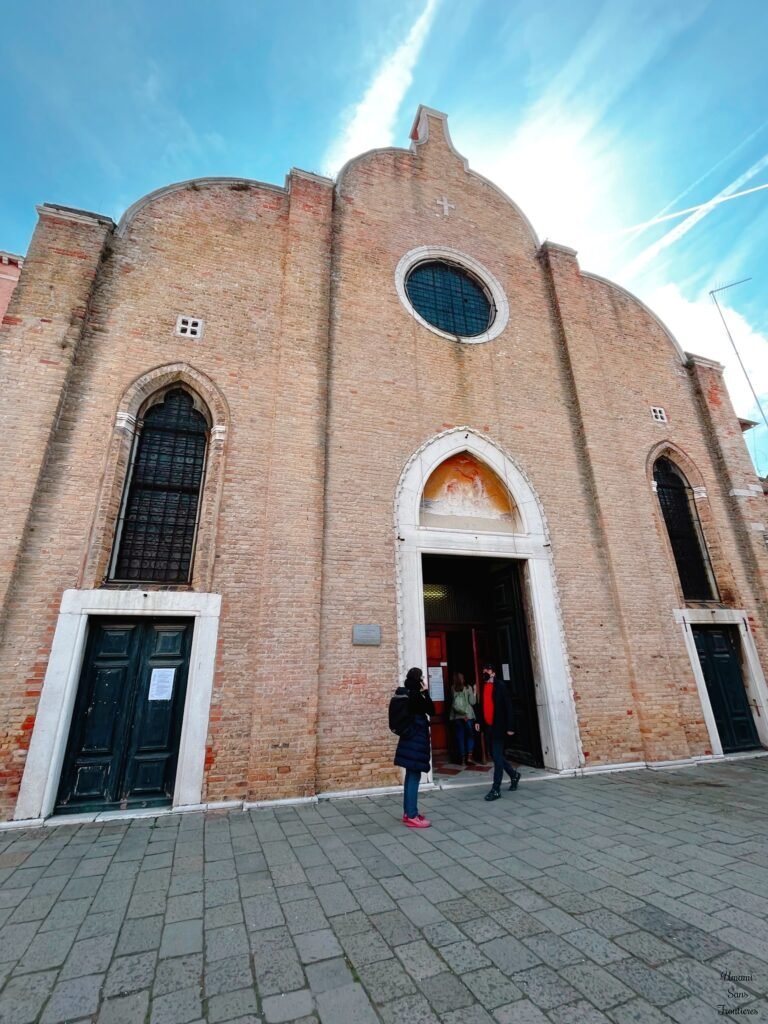
During my time in the city, I visited many churches, but one that left a particularly strong impression on me was the church where Vivaldi was baptized.
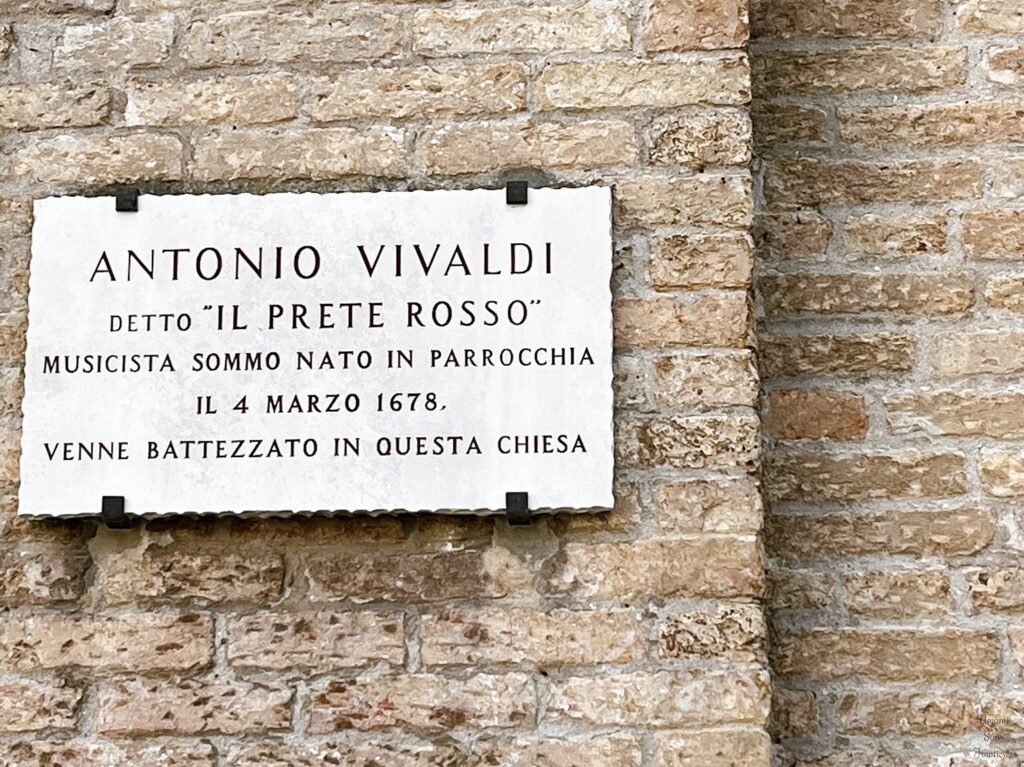
Antonio Vivaldi was born in Venice in 1678.
He is best known for The Four Seasons, and as he was also a priest, he was often referred to as the “Red Priest.”
The church I visited is closely connected to the very beginning of his life.
At the entrance, there is a plaque commemorating his baptism, and standing there, you can truly feel that this is where his story began.
In contrast to the grandeur of the opera house, the church has a quiet and modest atmosphere. Knowing that this was a place associated with Vivaldi made the experience feel somehow both simple and deeply meaningful.
Later in life, Vivaldi became a priest while also establishing himself as a composer.
At the Ospedale della Pietà in Venice, he taught music to young girls and composed many of his works there. Their performances were highly praised in Venice at the time.
He did not remain only in Venice, but traveled to various cities, expanding his career.
He also found success as an opera composer and produced a large body of work, eventually spending his final years in Vienna, where he passed away.
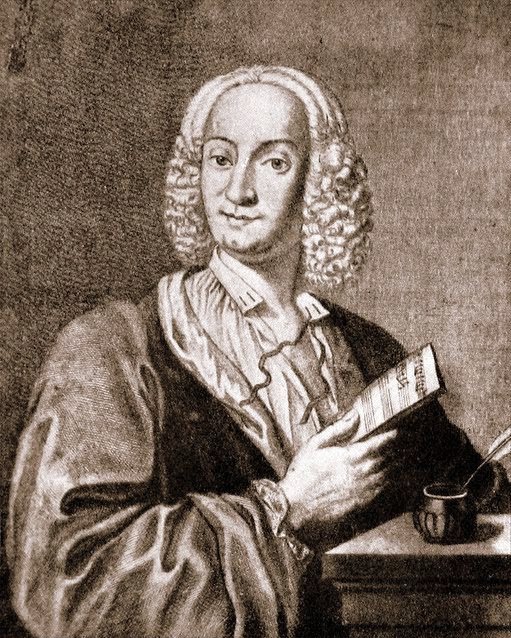
Vivaldi’s music is characterized by its vivid imagery and dynamic progression.
There is something captivating about the way the music gradually builds, drawing the listener into its flow and creating a sense of movement and story.
Personally, I have a soft spot for Vivaldi’s music.
There was a time when I often listened to his works performed by the German violinist Anne-Sophie Mutter, whose interpretations I especially enjoy.
Perhaps because of that, his music holds a more personal meaning for me.
An Evening with Vivaldi in Venice
In the evening, we attended a concert at the Church of San Vidal.
The program featured Vivaldi’s The Four Seasons, and that was precisely why we chose to go.
It felt like a rare opportunity to hear this music live in the very city where it was born.
I also wanted my children to experience live music in such a setting.
Visiting places connected to the composer and then hearing his work performed in person made the experience even more meaningful.
The performance was by Interpreti Veneziani, an ensemble based in Venice.
Despite their international reputation, the atmosphere felt warm and welcoming.
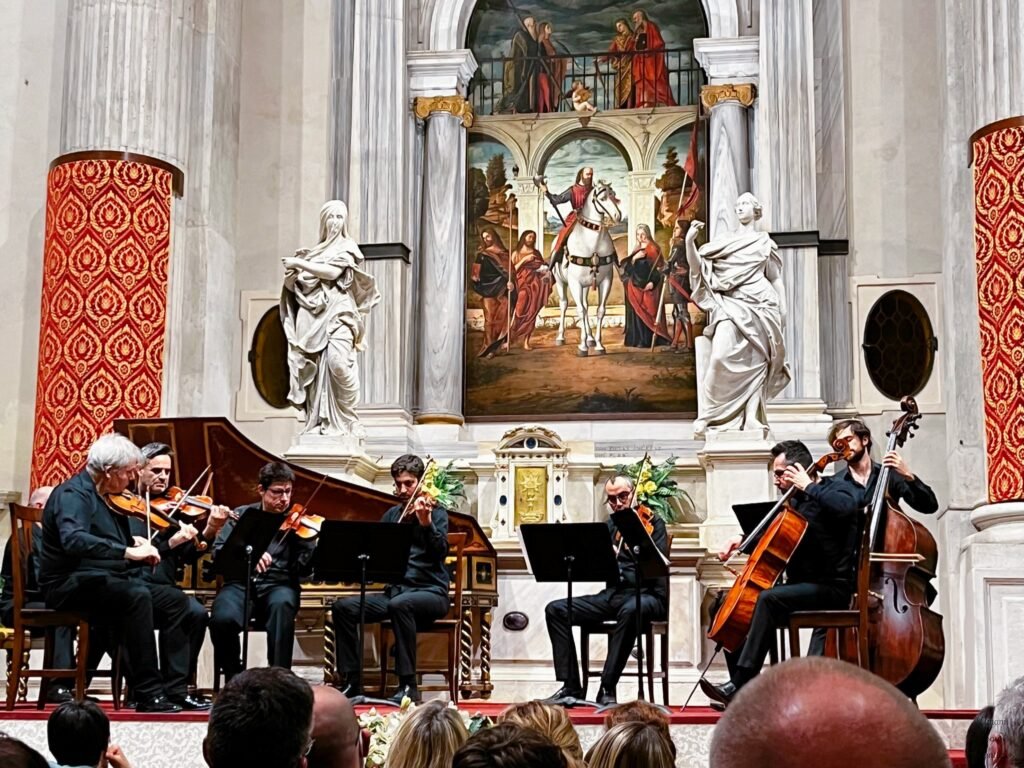
The sound within the church was different from that of a theater—
it filled the space gently, yet powerfully, creating a truly immersive experience.
As I listened, I found myself recalling the places we had visited earlier that day.
It felt like more than just attending a concert—it was a moment where the city’s history and music came together.
The gradual build-up of the music is especially captivating.
I found myself completely drawn in, and that sense of repetition becomes almost comforting—something that makes you want to listen again and again.
Even after the final note faded, the resonance seemed to linger in the air.
It was a moment that made me feel the “memory of sound” that lives within Venice.
Although this was an experience from a few years ago, it is something I would highly recommend if you ever have the chance.
In the next part, I hope to share another side of Venice from a different perspective.