One of the things I always look forward to when I return to Japan is enjoying traditional Japanese sweets made with matcha.
During my recent stay in Tokyo, I visited two cafés in search of some delicious matcha treats—one in Shinjuku and the other in Ginza.
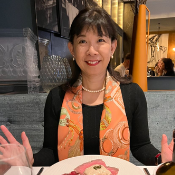
Both became especially memorable because I visited them with dear friends I hadn’t seen in a long time.
Delicious matcha sweets, endless conversation, and lots of laughter—here are two Tokyo cafés where I spent some very happy moments.
A Reunion After Seven Years at Kyo Hayashiya in Shinjuku
It was a public holiday, and cafés all over Shinjuku were crowded, with lines almost everywhere.
I had an errand to take care of before meeting my childhood friend, so she arrived a little early and kindly got in line for us at Kyo Hayashiya.
When I finally spotted her and called out, she turned to me and exclaimed with a mixture of laughter and excitement,
“Ahhh! It’s been so long! I think I’m going to cry!”
Seeing her reaction made my own eyes well up. It suddenly hit me that we were actually seeing each other again after seven years.
And yet, there was something so funny about both of us getting emotional that we ended up laughing instead.
We had exchanged emails from time to time over the years, but it had truly been seven years since we had seen each other in person. That sounds like such a long time, but once we sat down and started talking, those seven years seemed to disappear.
Conversation flowed just as naturally as it used to. We caught each other up on our lives, laughed, moved on to another story, and laughed some more.
There was no sense that we needed to somehow “make up” for all the years we had been apart. We simply slipped back into being ourselves, just as we had been before. That made me incredibly happy.
And accompanying our seven-year reunion were matcha sweets and warm Japanese tea.
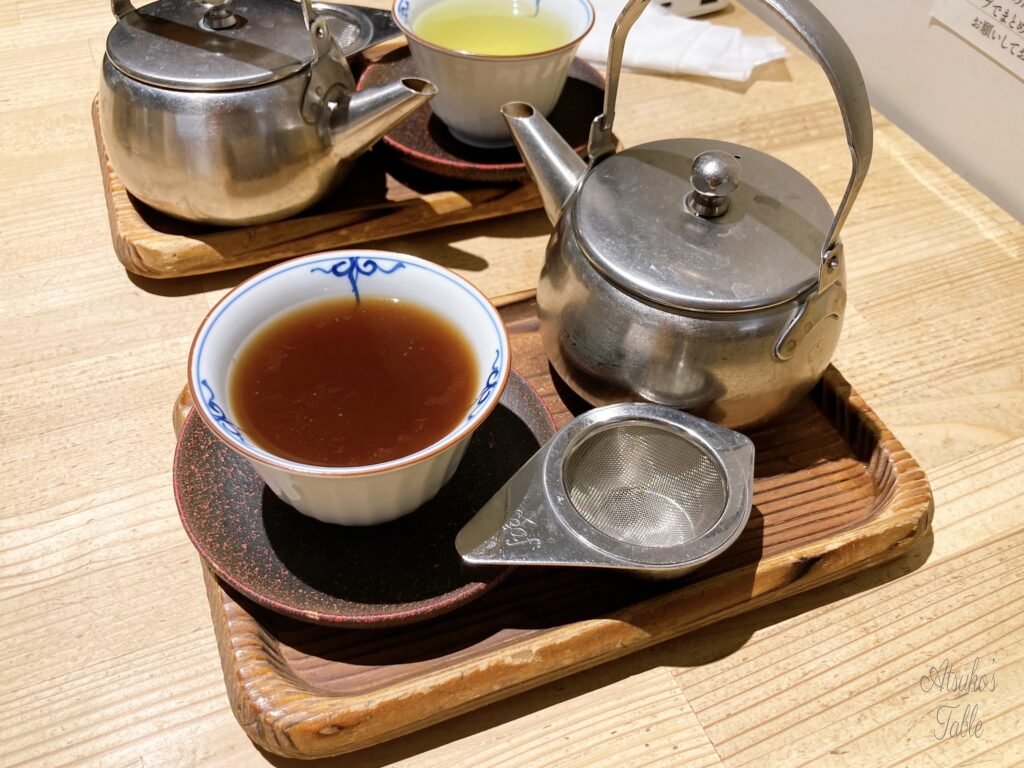
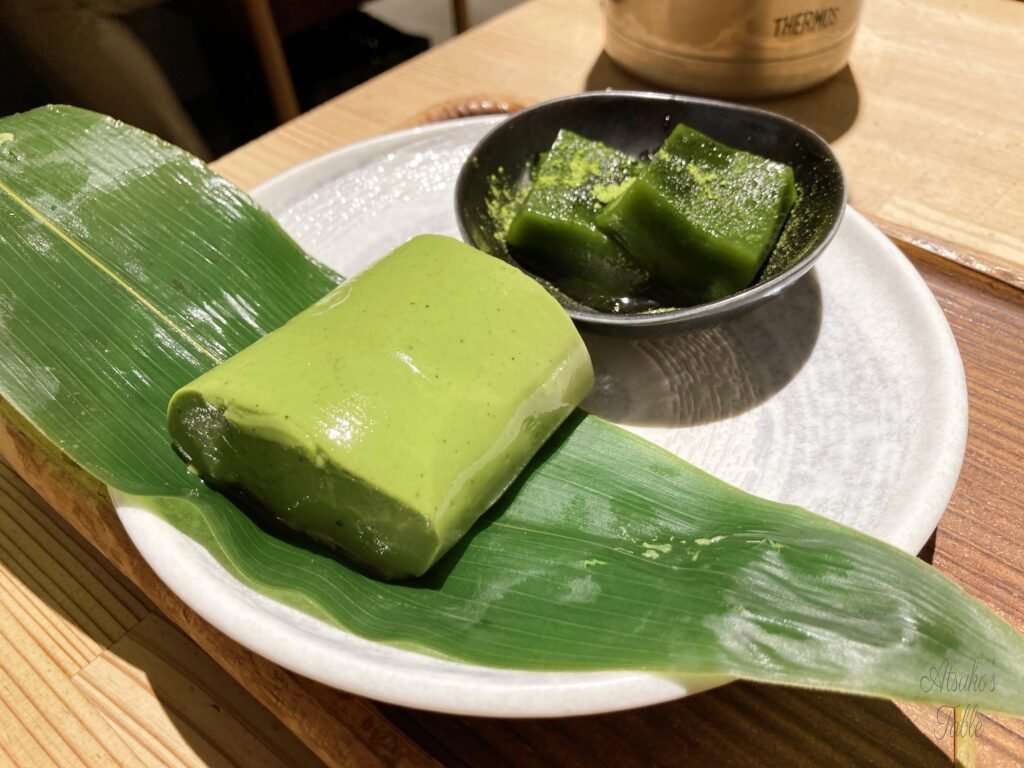
I ordered one of my favorite teas, kuromame-cha (black soybean tea), which is something I particularly look forward to drinking when I’m in Japan, along with matcha warabi mochi and matcha kuzu-neri. My friend chose matcha warabi mochi and a matcha cake.
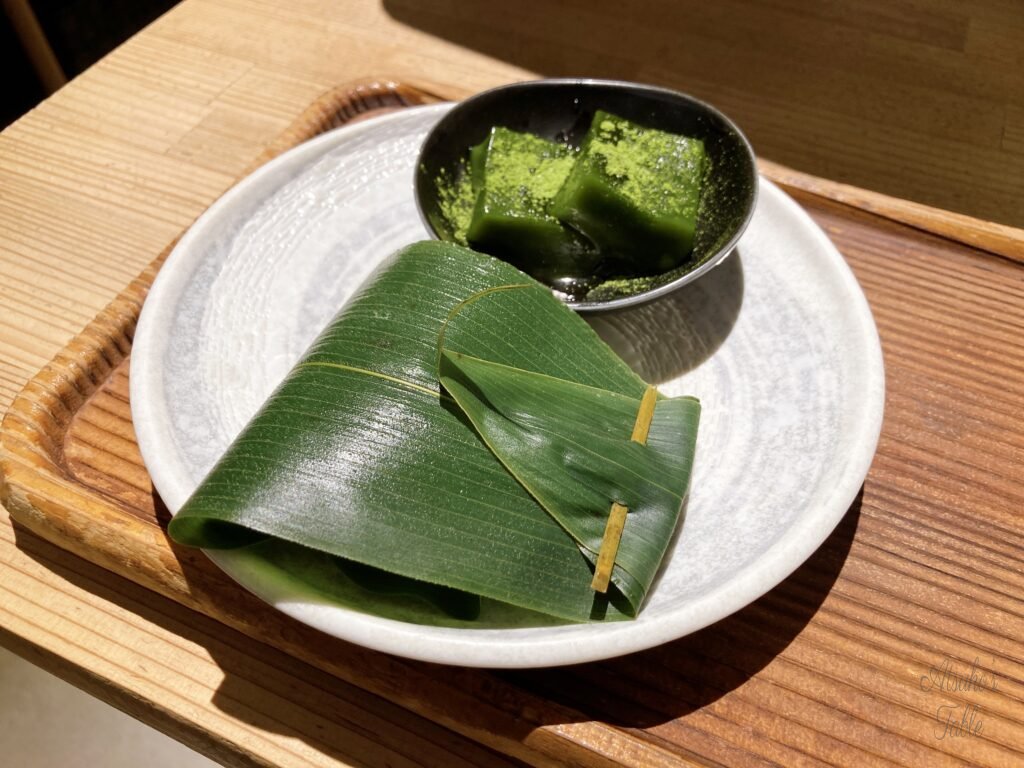
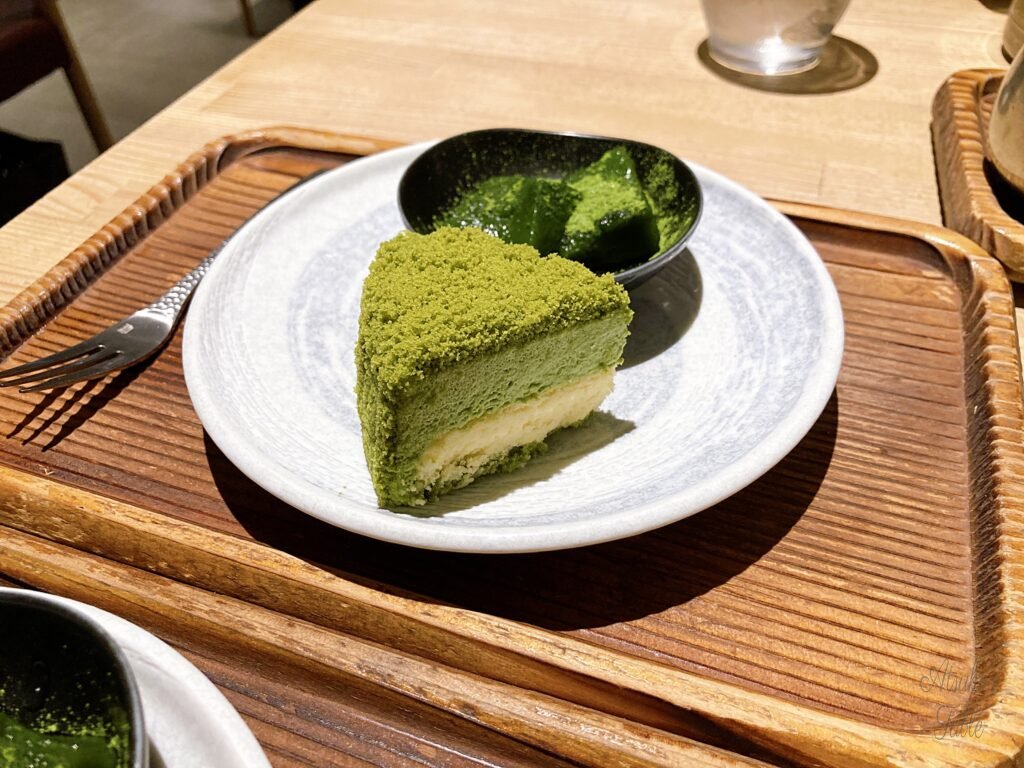
If you have never heard of kuzu-neri, you are probably wondering what it is. To be honest, even as a Japanese person, I found myself thinking, What exactly is kuzu?
Kuzu comes from a plant that has grown wild in Japan for centuries. Starch extracted from its roots, known as kuzuko, has traditionally been used in Japanese sweets and cooking.
Kuzu-neri has an unusual texture. It is smooth and soft, somewhat like pudding, but with a little more elasticity and bounce. The matcha kuzu-neri I had that day was wonderfully delicate, with just the right amount of sweetness.
As grateful as I was simply to see my friend again and find each other well, our reunion reminded me of something else: with someone truly dear to you, even years apart can somehow disappear in an instant. It was such a joyful reunion.
The Elegant Sweetness of Japan at Nakamura Tokichi in Ginza
The second café I visited was Nakamura Tokichi inside GINZA SIX, where I went with a friend from my university days.
She now lives in Sapporo, Hokkaido, and had come all the way to Tokyo to see me.
We spent almost the entire day together, from lunch until evening. After lunch, she even accompanied me on my shopping expedition as we made our way around Ginza. (I’ll save our lunch for another post!)
In between all that shopping, we decided it was time for a little break and stopped at Nakamura Tokichi inside GINZA SIX.
The café feels modern and sophisticated, yet the warm wood interior and Japanese teaware give it a distinctly Japanese sense of calm. It is a lovely Ginza setting in which to experience traditional Japanese tea in a contemporary way.
Once we were seated, we were first served sencha, Japanese green tea.
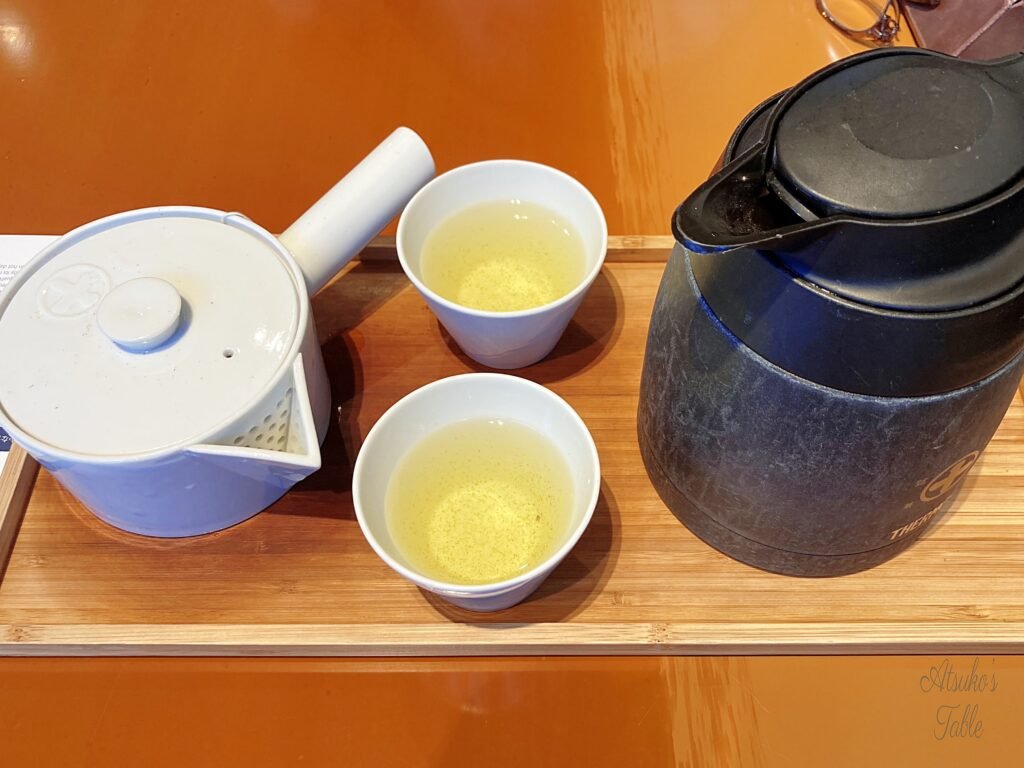
The tea looked surprisingly pale, but its appearance was deceptive—the flavor of the sencha came through beautifully. A generous pot was provided, so we could enjoy several cups. After walking around Ginza shopping, sitting down with a warm cup of tea felt especially comforting.
Then came the main attraction.
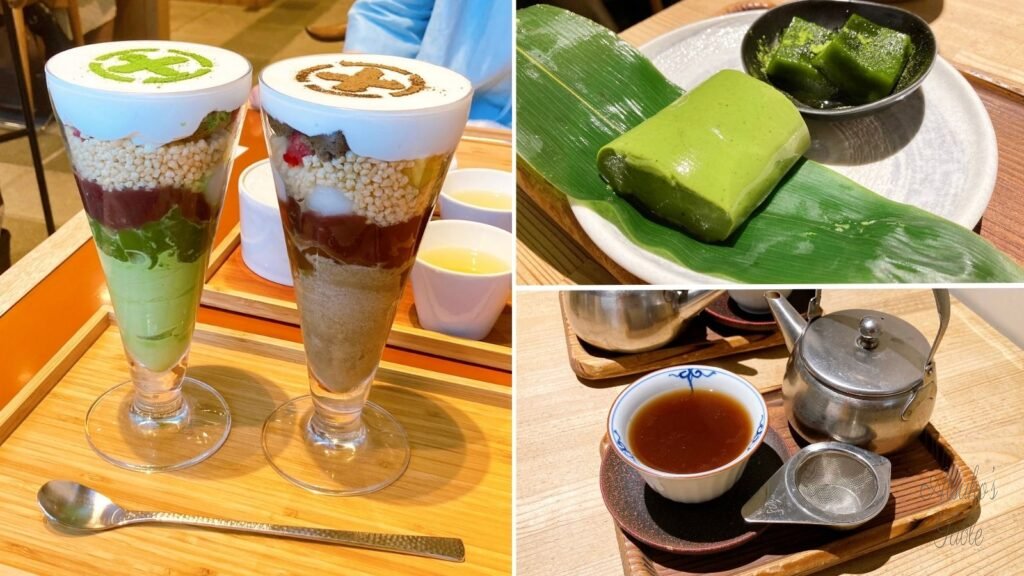
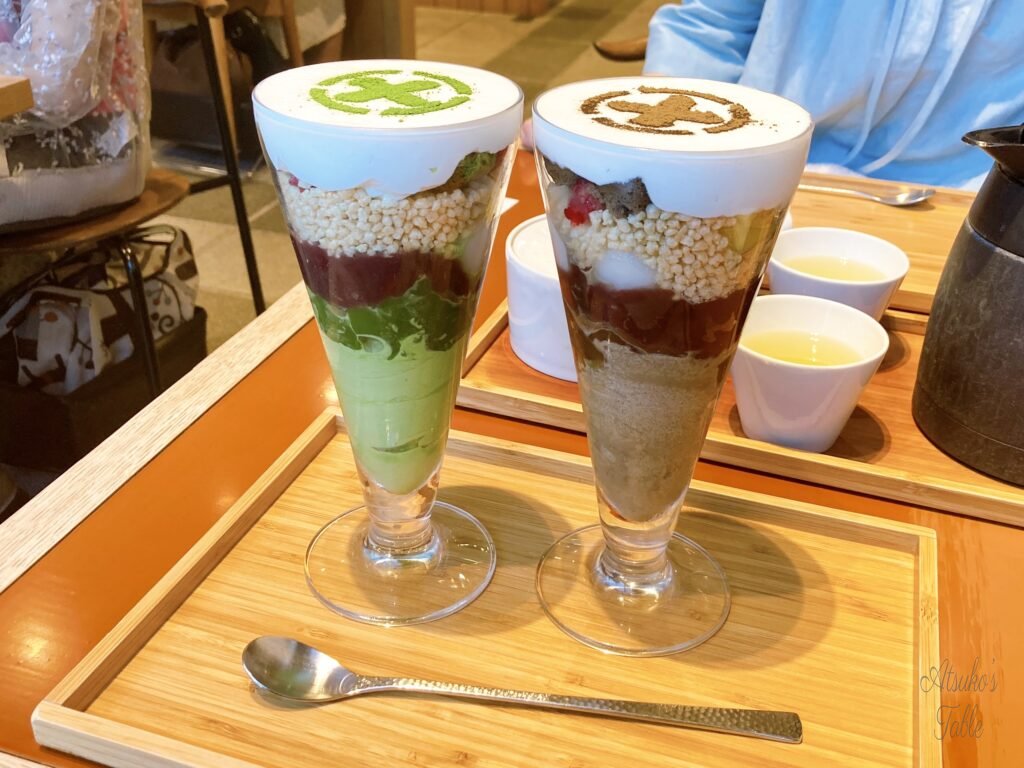
I ordered the matcha parfait, while my friend chose the hojicha parfait.
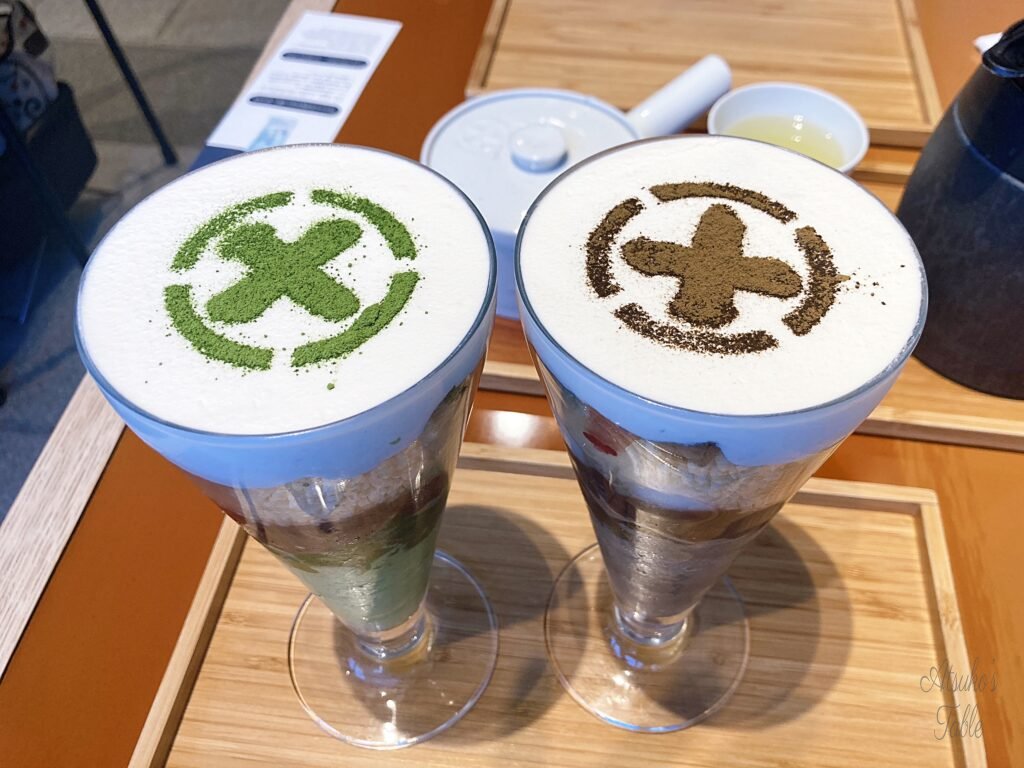
Placed side by side, they were beautiful—the vivid green of the matcha contrasting with the warm, earthy tones of the roasted hojicha. They were the kind of parfaits that make you reach for your camera the moment they arrive at the table.
Inside the tall glasses were layers of different flavors and textures: matcha jelly, cream, chewy mochi, anko (sweet red bean paste), and a light, crispy ingredient called awa-pon.
If you are wondering, What on earth is awa-pon?, you are not alone. I wondered exactly the same thing.
Awa-pon is similar to pon-gashi, a traditional Japanese puffed-grain snack. Grains are heated and puffed until they become wonderfully light and crisp. It looks a little like tiny pieces of breakfast cereal, but the texture is much lighter and more delicate. The exact ingredients and preparation can vary, but its airy crunch reminded me of the traditional puffed-grain snacks found in Japan.
In the parfait, that crispness was a wonderful contrast to all the other textures. There was smooth cream, soft jelly, chewy mochi, sweet anko, and then the delicate crunch of the awa-pon. With so many different textures and flavors layered together, each spoonful brought something a little different. Despite its impressive size, the parfait never felt too heavy.
Of course, I had to steal a spoonful of my friend’s hojicha parfait too.
Hojicha—Japanese green tea that has been roasted—has a distinctive toasty flavor and can have a slightly bitter edge. In this parfait, however, I didn’t find the bitterness strong at all. The characteristic flavor of the hojicha was still there, but it was complemented by just the right amount of sweetness.
The result was remarkably refined. And as I continued eating my own matcha parfait, I realized the same thing was true of it.
Not overly sweet, yet completely satisfying.
Whenever I return to Japan and eat traditional Japanese sweets, I find myself noticing this delicate balance all over again.
Many of the desserts I encounter abroad celebrate sweetness more boldly, and they can be delicious in their own way. Japanese sweets often strike me differently. Rather than allowing sweetness to dominate, they seem to use it to bring out the character of the main ingredient. With matcha, you can still taste the matcha. With hojicha, its wonderful roasted aroma remains.
And yet, both are still satisfyingly delicious desserts. Perhaps there is a certain Japanese beauty in knowing when not to add more—in using sweetness to reveal the flavor of an ingredient rather than cover it up.
Once we had finished our parfaits, it was time to continue our shopping.
So many years have passed since our university days, and yet being able to spend an ordinary day together again felt very special.
Two Tokyo cafés, delicious sweets, and wonderful times with old friends. If you have the chance to visit Tokyo, I hope you’ll stop by and enjoy them for yourself!
Love Matcha? Try These Recipes at Home
And if this post has left you craving matcha, you don’t have to travel all the way to Tokyo to enjoy it!
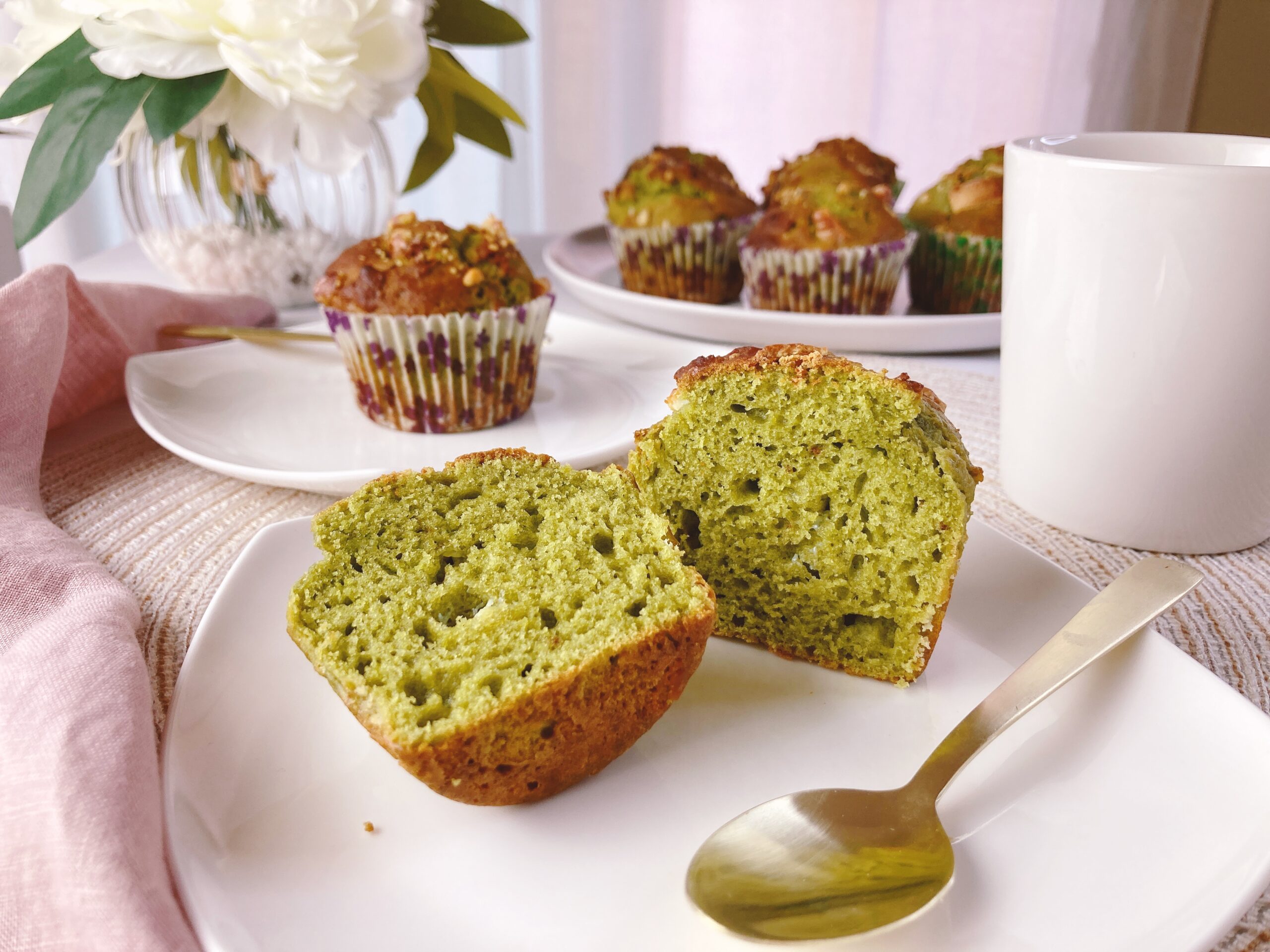
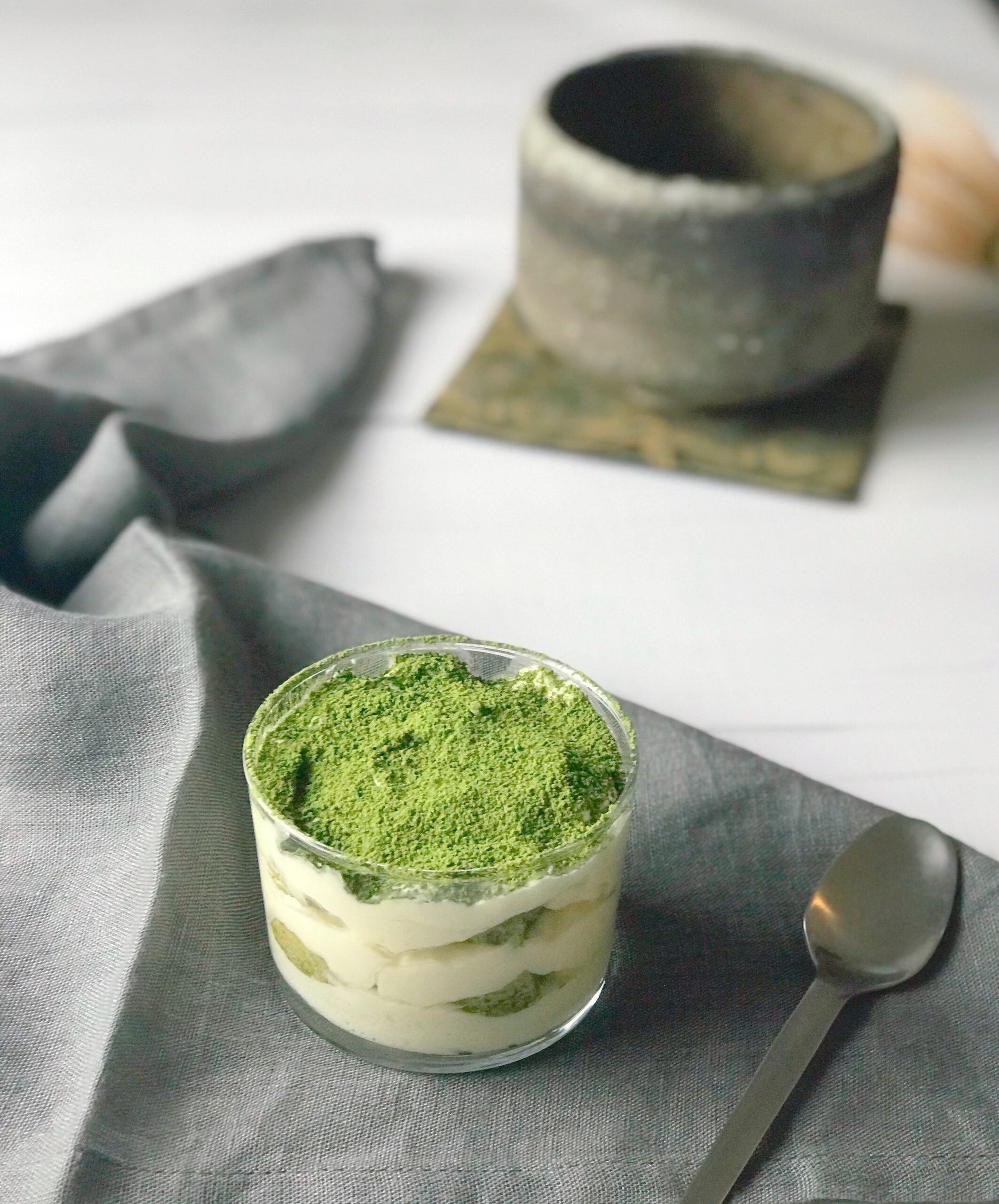
I also have two matcha recipes you can make at home: Matcha Tiramisu, a Japanese-inspired twist on the classic Italian dessert, and Matcha Muffins, an easy treat to enjoy with a cup of tea or coffee.
I hope they bring a little taste of Japan to your kitchen!
👉 Matcha Tiramisu : A Simple Japanese-Inspired Dessert
👉 Moist Matcha Yogurt Muffins with White Chocolate and Walnuts