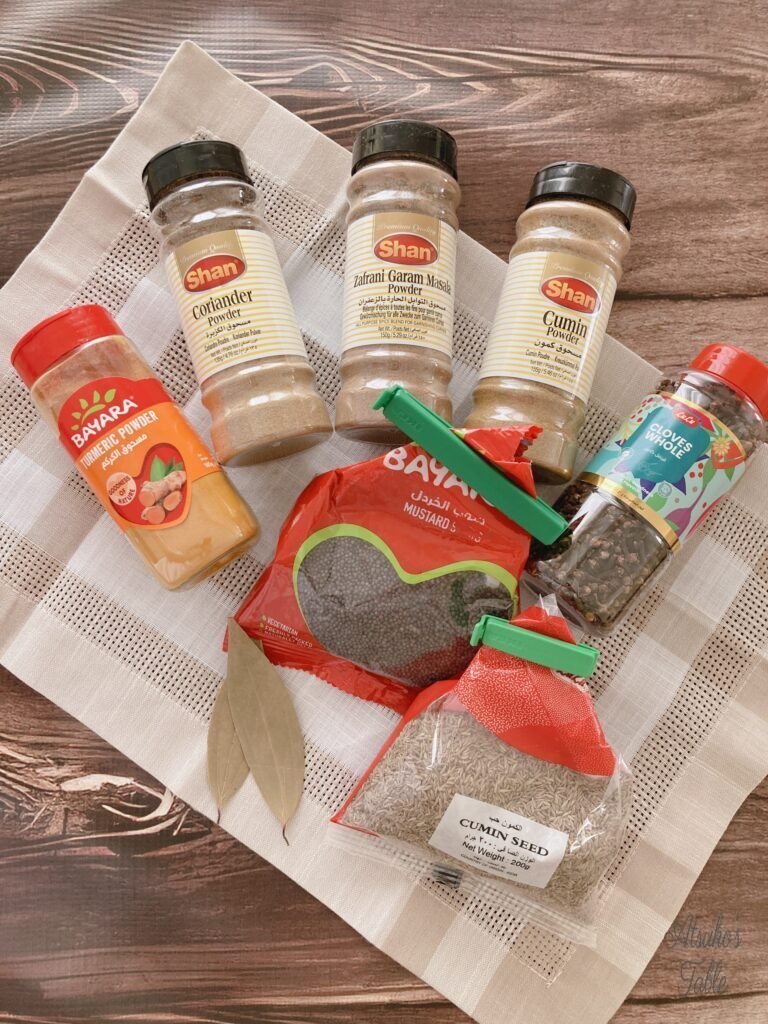
From Japanese Curry Roux to the World of Spices
Growing up, curry meant one thing to me: Japanese curry made with curry roux.
Japanese curry roux is a unique seasoning that has become a staple in many households. I grew up eating it, and my children have grown up with the same comforting flavor.
For a long time, making curry simply meant opening a package of roux. I rarely thought about the individual spices that created flavor.
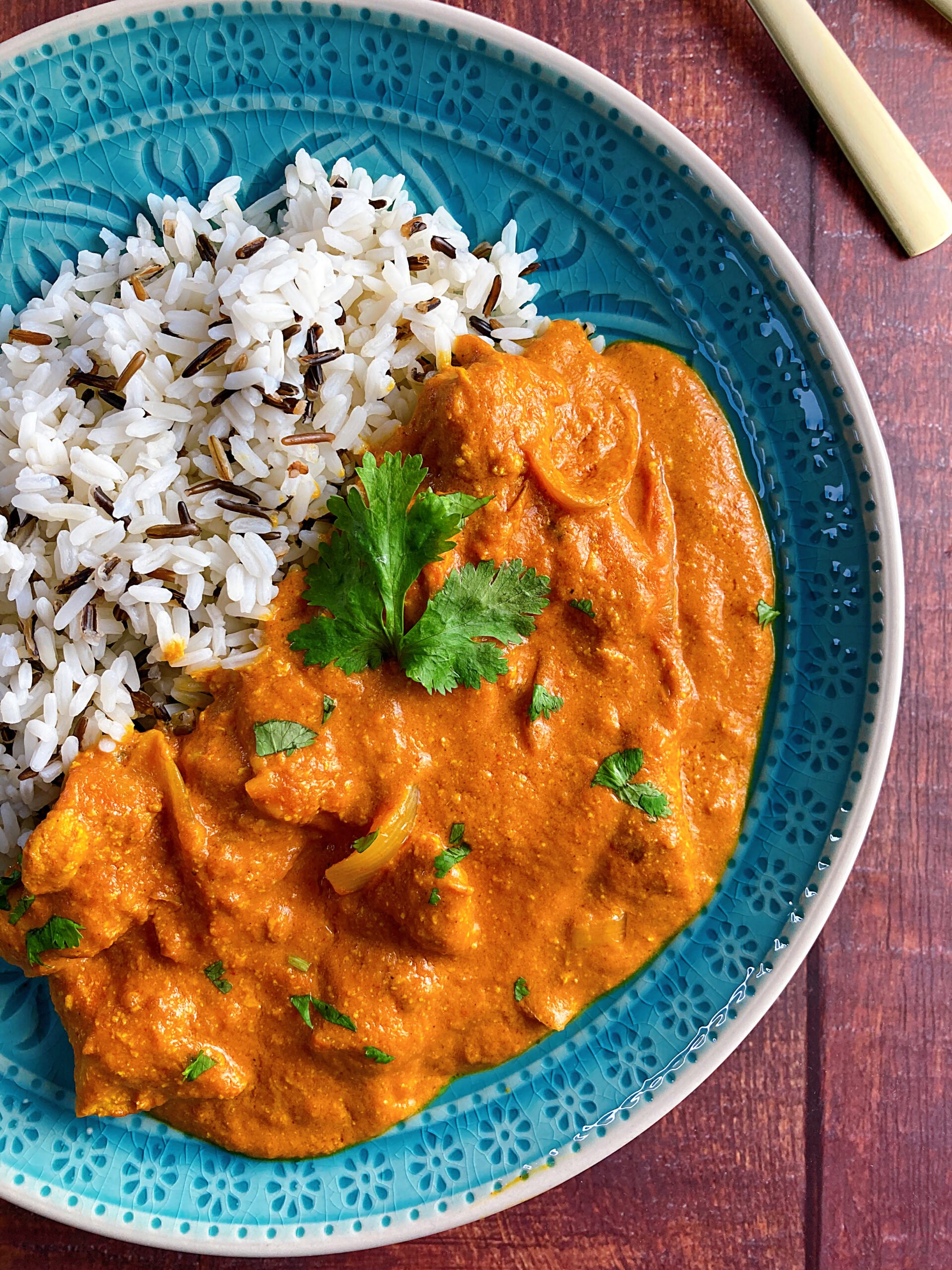
At the same time, when I was working in Tokyo, there were many authentic Indian restaurants near my office. One of my favorite lunch dishes was butter chicken curry. I loved its rich, creamy sauce and fragrant spices, but I never imagined making it myself at home.
Later, when I moved to Berlin, Japanese curry roux was no longer something I could easily buy whenever I wanted. That was when I started experimenting with homemade butter chicken curry. I learned to marinate chicken in yogurt and began using spices such as turmeric, cumin, and garam masala.
Then I moved to Dubai, and an entirely new world opened up.
My local Lulu supermarket carries an astonishing variety of Indian ingredients. The spice aisle alone is filled with spices I had never seen before, and there are countless varieties of rice, lentils, and beans.
Although I had already been using a few spices, it was only after moving to Dubai that I felt I had truly stepped into the world of spices.
Ghee: India’s Traditional Clarified Butter
One of my first memorable discoveries was ghee.
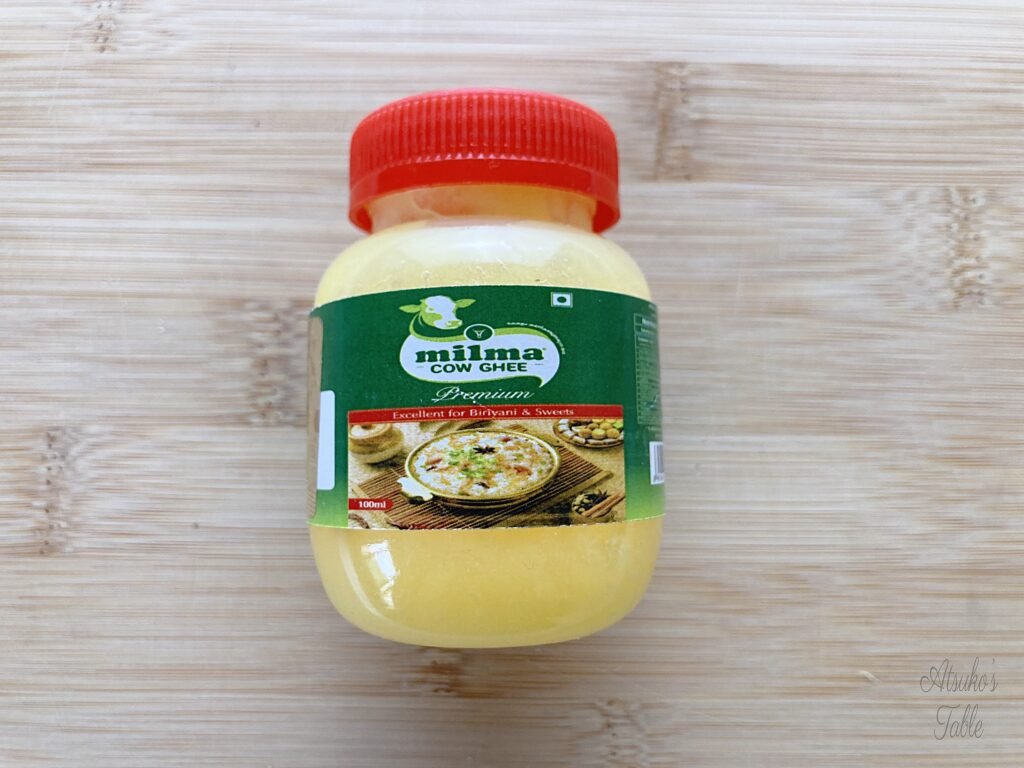
Ghee is a type of clarified butter made by slowly heating butter and removing the water and milk solids. It has been used in Indian cooking for centuries and appears in everything from curries and stir-fries to sweets.
At a supermarket near my house, there are entire shelves dedicated to ghee. The variety is remarkable, and many of the containers are surprisingly large. When I first saw them, I wondered, “Do people really use this much ghee?”
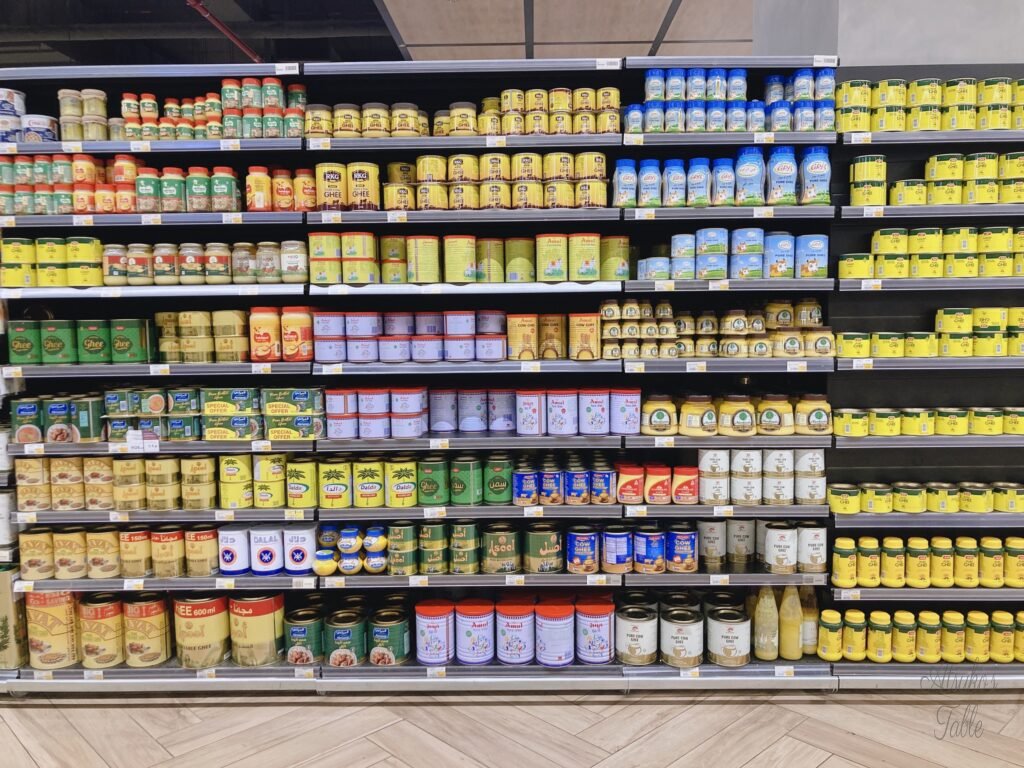
The sight was completely different from a typical butter section in a supermarket. Shelf after shelf was filled with different brands and sizes of ghee.
When I finally started cooking with it, I immediately understood why it is so popular. It melts effortlessly, has a gentle buttery aroma, and enhances the fragrance of spices beautifully. Even adding a small spoonful at the end of cooking can transform the aroma of a curry.
What surprised me even more was that ghee can be stored at room temperature.
Curious about this, I learned that because the water and milk solids have been removed, ghee is much more stable than butter and can be stored for long periods without refrigeration.
Perhaps it is one of those ingenious foods developed by people living in hot climates. Either way, I found it both delicious and incredibly practical.
My First Experience with Whole Spices
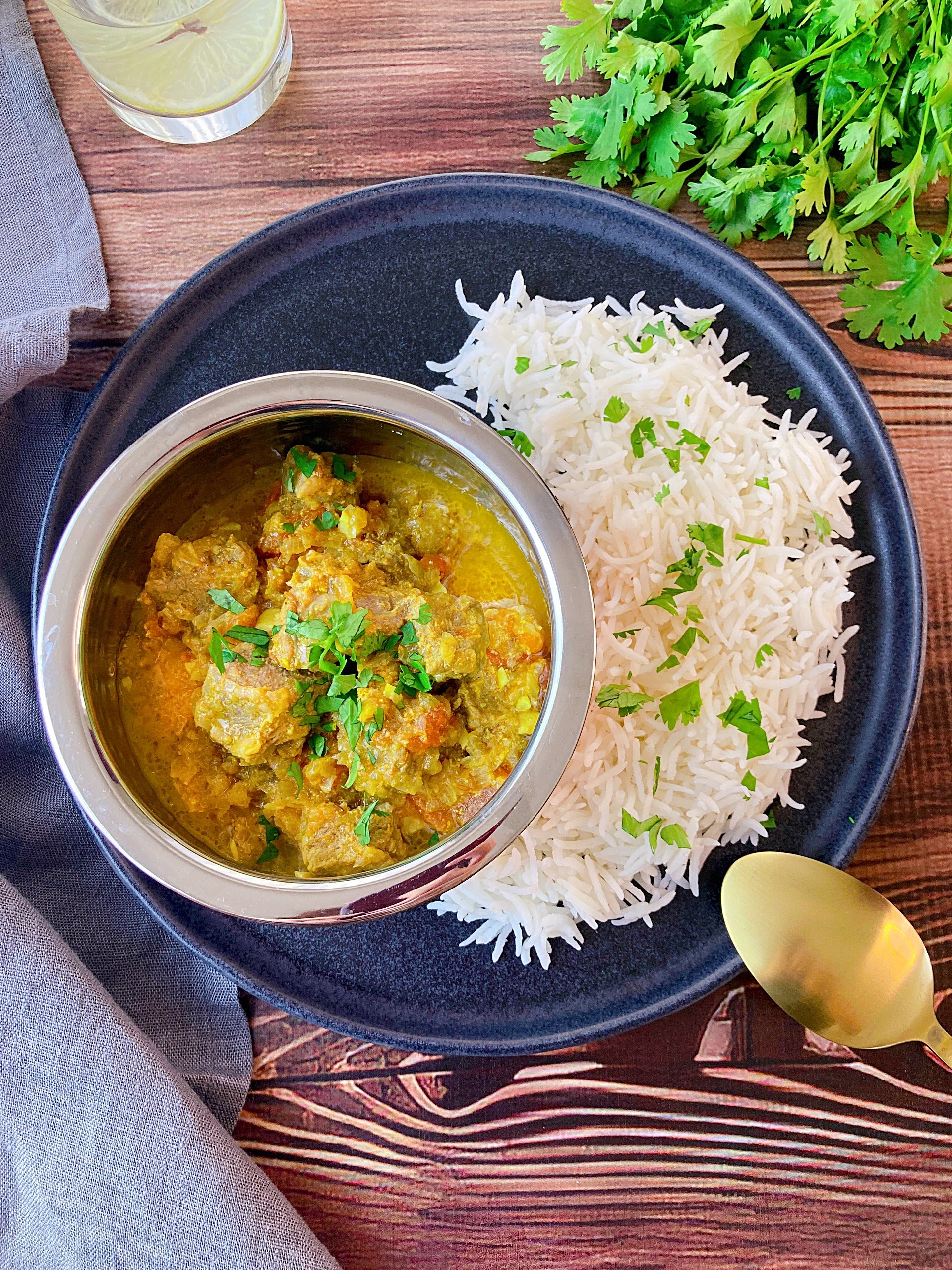
After settling in Dubai, I decided to try making two dishes I had long wanted to cook: a North Indian-style lamb curry and a South Indian-style coconut curry.
Until then, the spices I regularly kept in my kitchen were fairly simple: turmeric, coriander, cumin powder, and garam masala.
What felt completely new this time was working with whole spices and learning how they are used.
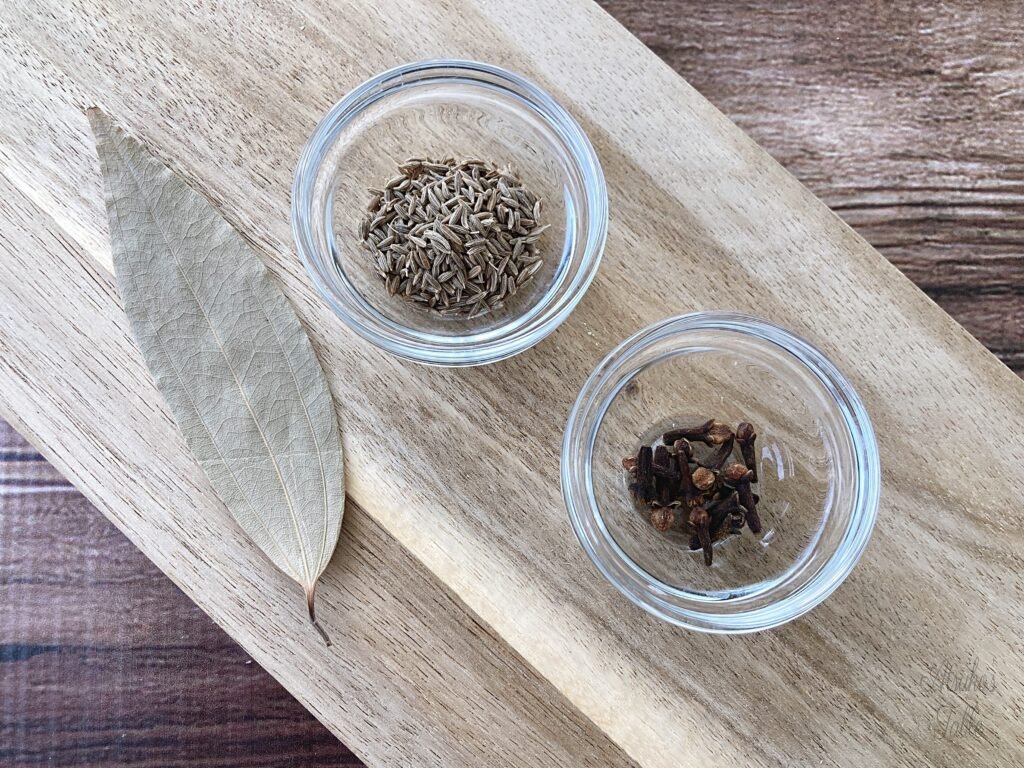
For the lamb curry, I used:
- Cumin seeds
- Bay leaves
- Cloves
For the South Indian coconut curry, I used:
- Black mustard seeds
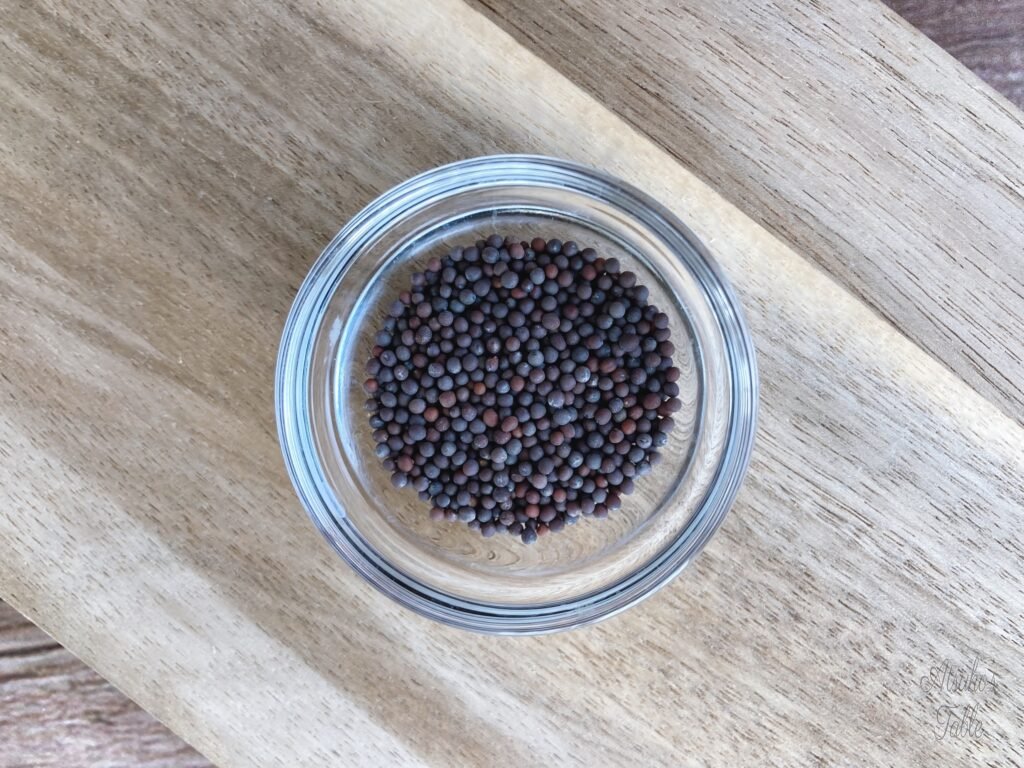
The lamb curry begins by gently frying the cumin seeds, bay leaves, and cloves in ghee.
As soon as they hit the hot fat, they release aromas that are very different from powdered spices.
The cloves were especially surprising. Even just two or three cloves added remarkable depth and warmth to the curry.
Bay leaves were another pleasant surprise. I had always associated them with European soups and stews, but they blended naturally into the curry and helped tie all the flavors together.
The black mustard seeds in the South Indian coconut curry were equally memorable.
When heated in coconut oil, they begin to pop and crackle. The nutty aroma released at that moment was far more intense than I expected, and I found myself thinking, “So this is what South Indian cooking smells like.”
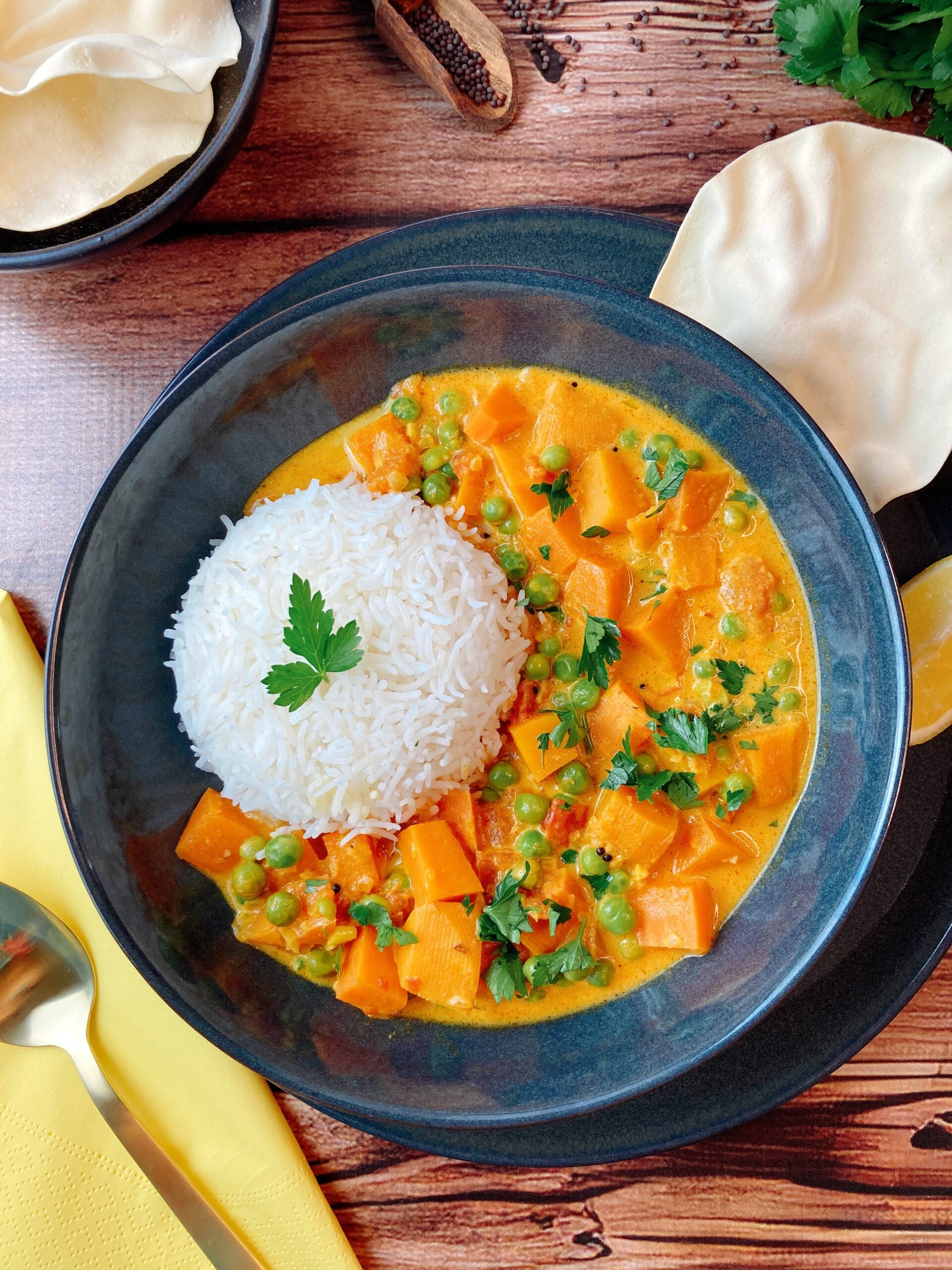
Years earlier in Berlin, I had tasted a sweet potato curry at an Indian restaurant and thought, “One day I’d love to make something like this myself.”
Being able to recreate a similar dish in Dubai using black mustard seeds I found at Lulu felt strangely satisfying—a small culinary journey connecting different chapters of my life.
Spices Are About Aroma, Not Heat
The biggest lesson I learned from these recipes is that spices are not only about adding heat.
Cumin seeds bring a toasted, earthy aroma. Cloves add warmth and depth. Bay leaves contribute subtle freshness. Black mustard seeds bring a distinctive nutty fragrance.
Each spice plays its own role, and together they create layers of flavor that give a dish its character.
Before this experience, I tended to think of spices mainly as ingredients that made food spicy. Now I see them differently. They are tools for building aroma, complexity, and depth.
In our family, I am the only one who enjoys very spicy food, so I rarely make intensely hot curries. Perhaps because of that, I have become more aware of the flavors and aromas that spices contribute beyond heat.
The supermarkets in Dubai still contain countless spices I have never tried.
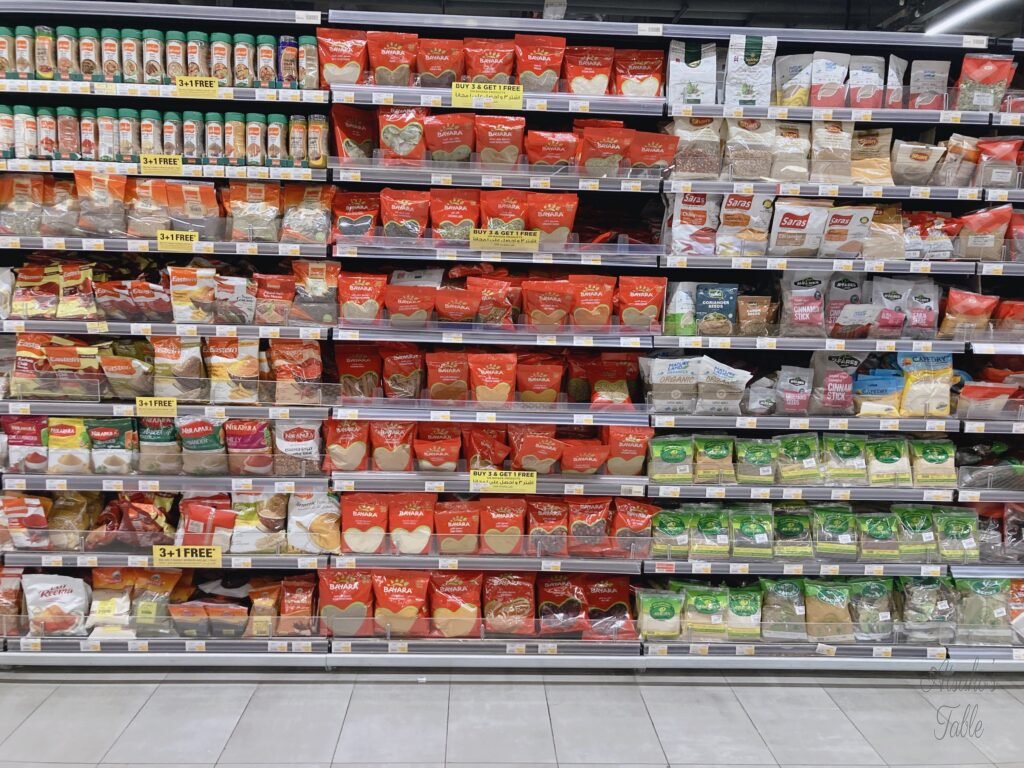
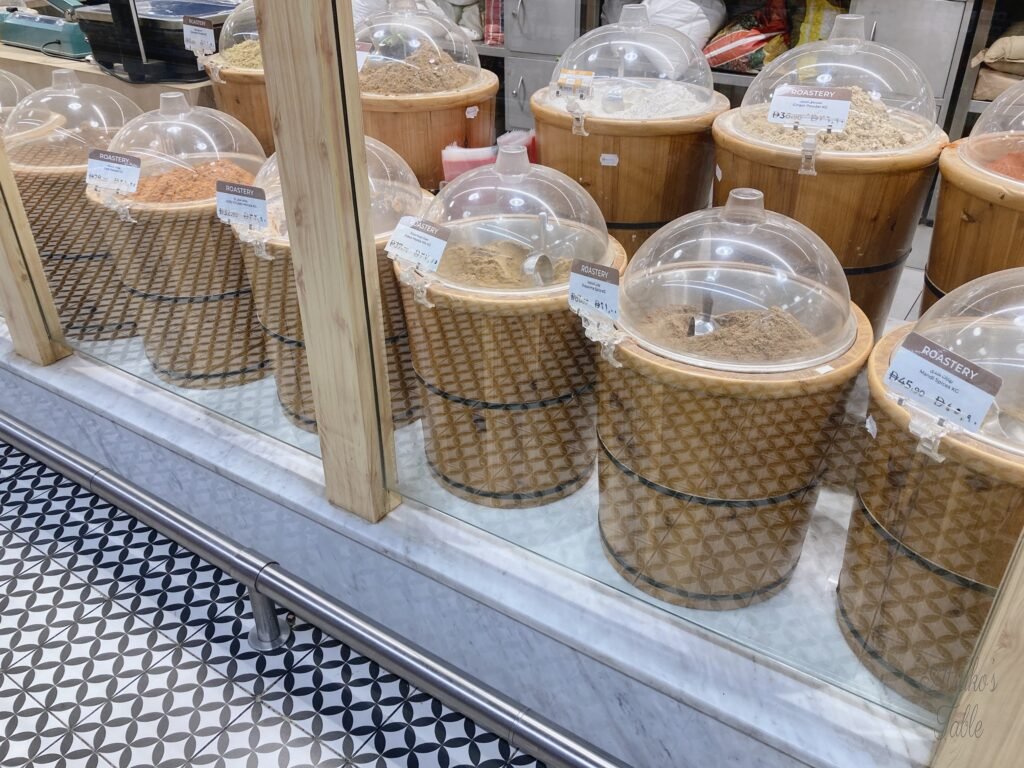
The spices I discovered this year are only the beginning, but they have already made Indian cooking feel much more approachable and exciting.
I look forward to continuing this spice adventure, one ingredient at a time.
Below, you’ll find links to the recipes for the lamb curry, South Indian coconut curry, and butter chicken curry mentioned in this article.
Some of the spices may be difficult to find depending on where you live, but you can start with whatever is available locally. You may be surprised by how much flavor a few simple spices can bring to your cooking.
Why not begin your own spice adventure?
👉 Healthy South Indian Sweet Potato Coconut Curry
👉 Mild North Indian-Style Lamb Curry
👉 Rich & Creamy Butter Chicken Curry